
Gardening is at the heart of what the Friends of Rowntree Park do. Our volunteers care for and develop several garden and wildlife areas across the park, bringing colour, supporting biodiversity and helping make the park a welcoming place for everyone.
City of York Council has overall responsibility for managing Rowntree Park, including many of its green spaces, trees and wider landscape. The Friends work alongside the council and take responsibility for gardening in a number of specific areas. Our charity funds much of the planting, tools and materials used by our volunteers.
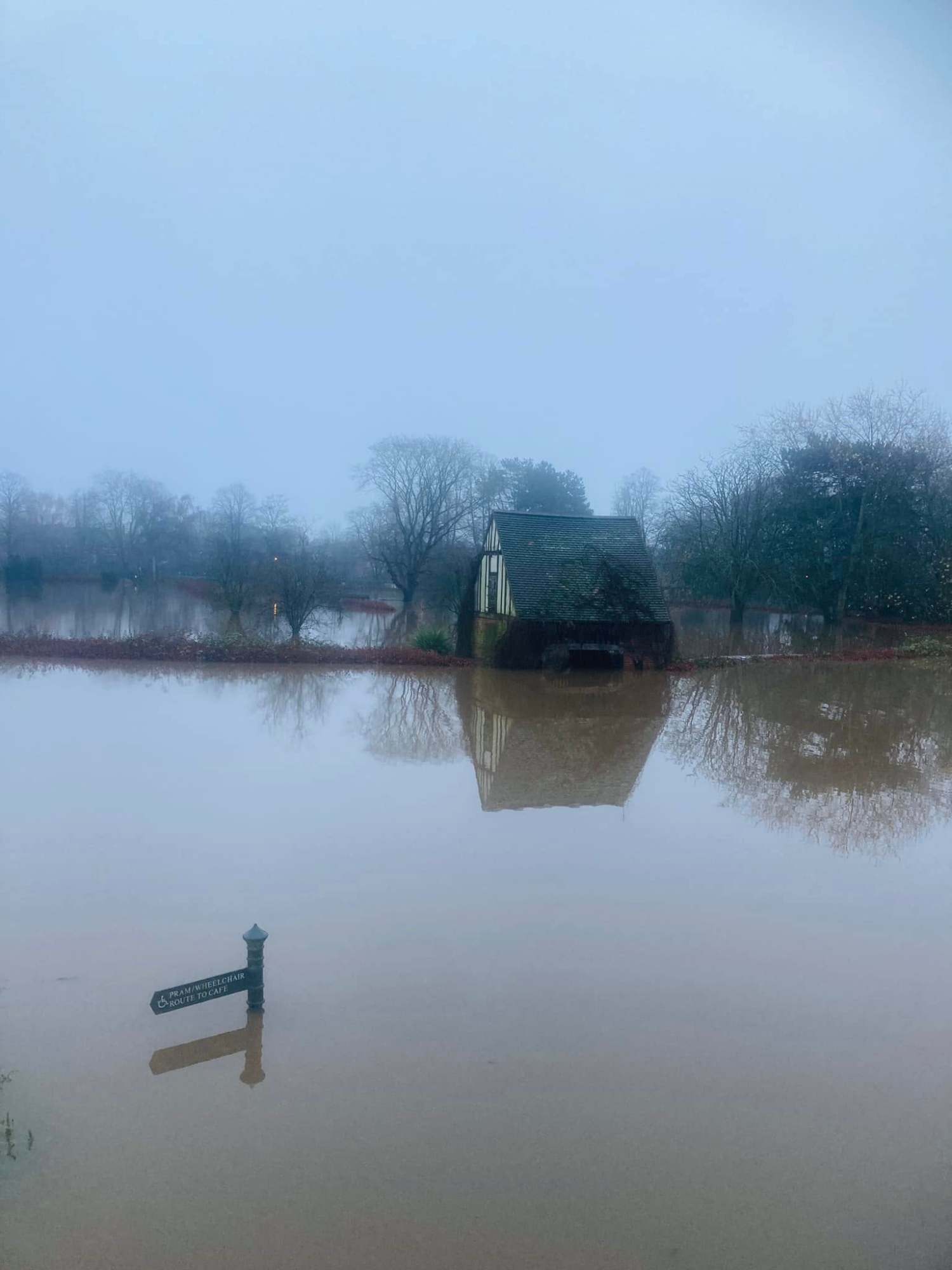
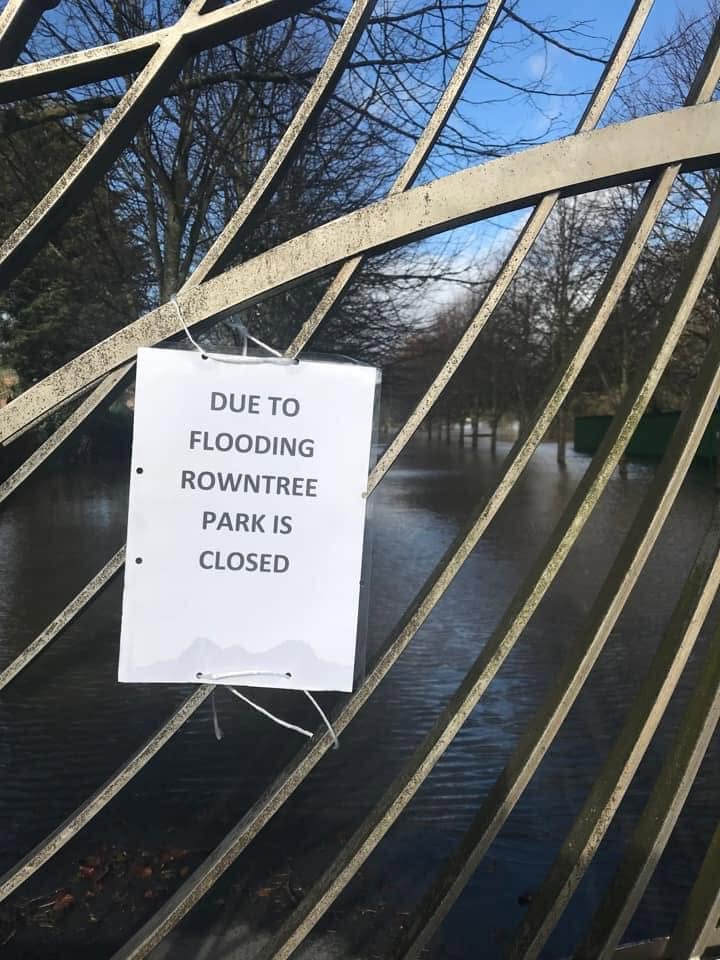
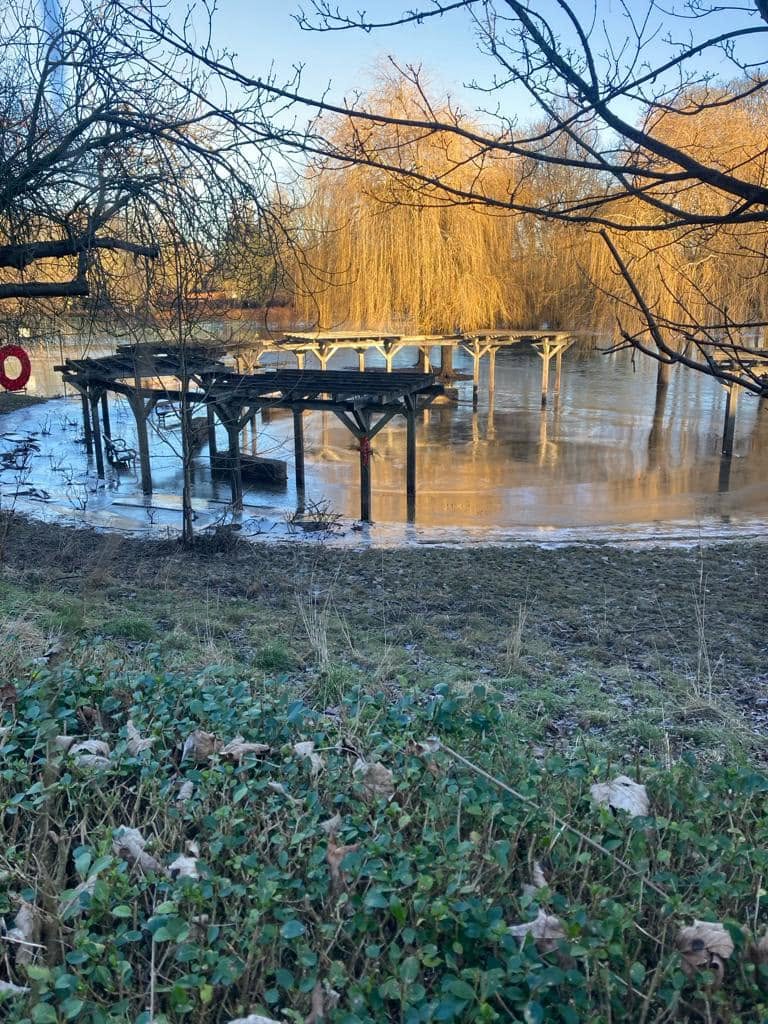
Rowntree Park is also part of York’s floodplain and can spend periods underwater, so we increasingly consider flood resilience, changing weather patterns and biodiversity when choosing and developing planting.
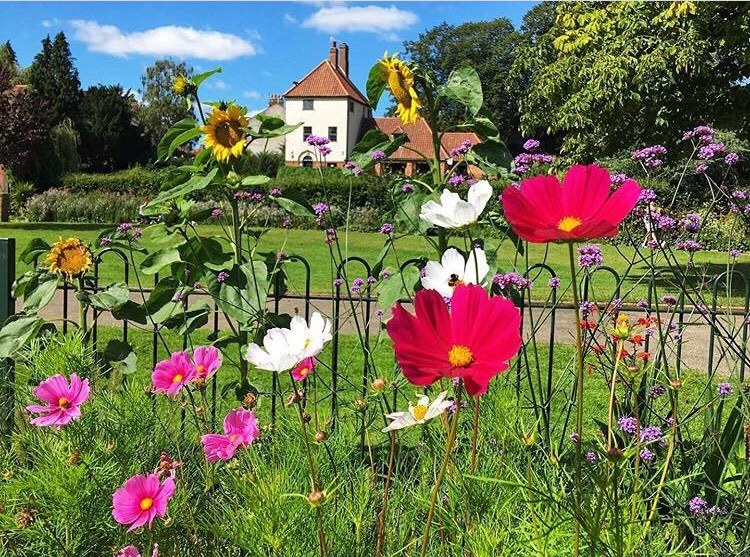
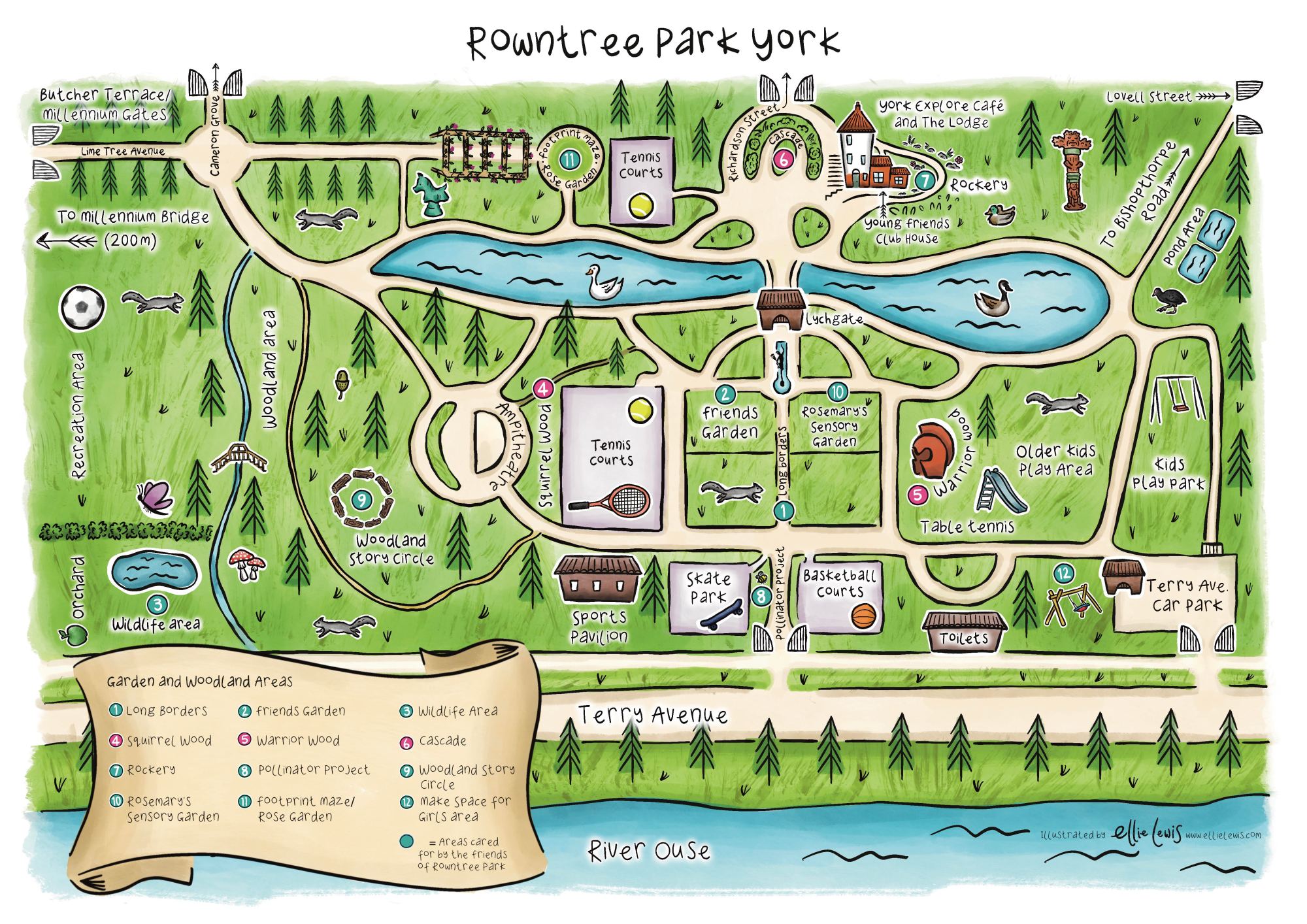
The main areas currently cared for by Friends of Rowntree Park volunteers include:
The Long Borders
The Friends Garden
Rosemary’s Sensory Garden
The Rose Memorial Garden and Pergola
The Pollinator Beds (Terry Avenue Gates)
The Wildlife Area ( Near Millennium Gate)
The Rockery under the cafe
The Forest School/Story Circle area
The Lodge Garden and propagation area
When volunteer capacity and funding allow, we also help with planting and improvements in other areas of the park.
We welcome the donation of plants for the park – if you have something you’d like to share – get in touch!
Long borders
Running through the heart of Rowntree Park, the Long Borders provide a changing display of colour and interest throughout the seasons.

Our volunteers predominantly use perennial planting, choosing plants that will return year after year and cope with the particular conditions of the park. Lupins have a special connection with Rowntree Park and the local area. Horticulturist George Russell, who developed the internationally renowned Russell Lupins, lived locally in York, and the park was once known for displays of his lupins. We continue to include lupins within the borders as a link with this horticultural history.
The Friends Garden
This enclosed garden in the centre of the park is a popular place for families to picnic, relax and play, particularly as its railings help keep geese out. Our planting has evolved in response to how people actually use the space. Children love exploring and hiding among the plants, so we use robust shrubs, ornamental grasses and colourful planting that can sit happily alongside play. It’s a good example of how our volunteers don’t simply maintain gardens: we adapt them as we learn more about the people who use them.
Rosemary’s Sensory Garden
This peaceful railed garden is designed to stimulate the senses through colour, scent, texture, movement and, where appropriate, taste. It’s a lovely place to slow down, explore the planting or simply sit and watch the park go by. The garden is cared for by a longstanding group of volunteers. For many years the group was led by Rosemary Bentley, who sadly died in 2021. The garden now carries her name in recognition of the enormous amount she contributed to Rowntree Park and its gardens. We continue to consider how the Sensory Garden can evolve and become an even more engaging and inclusive space in the future.
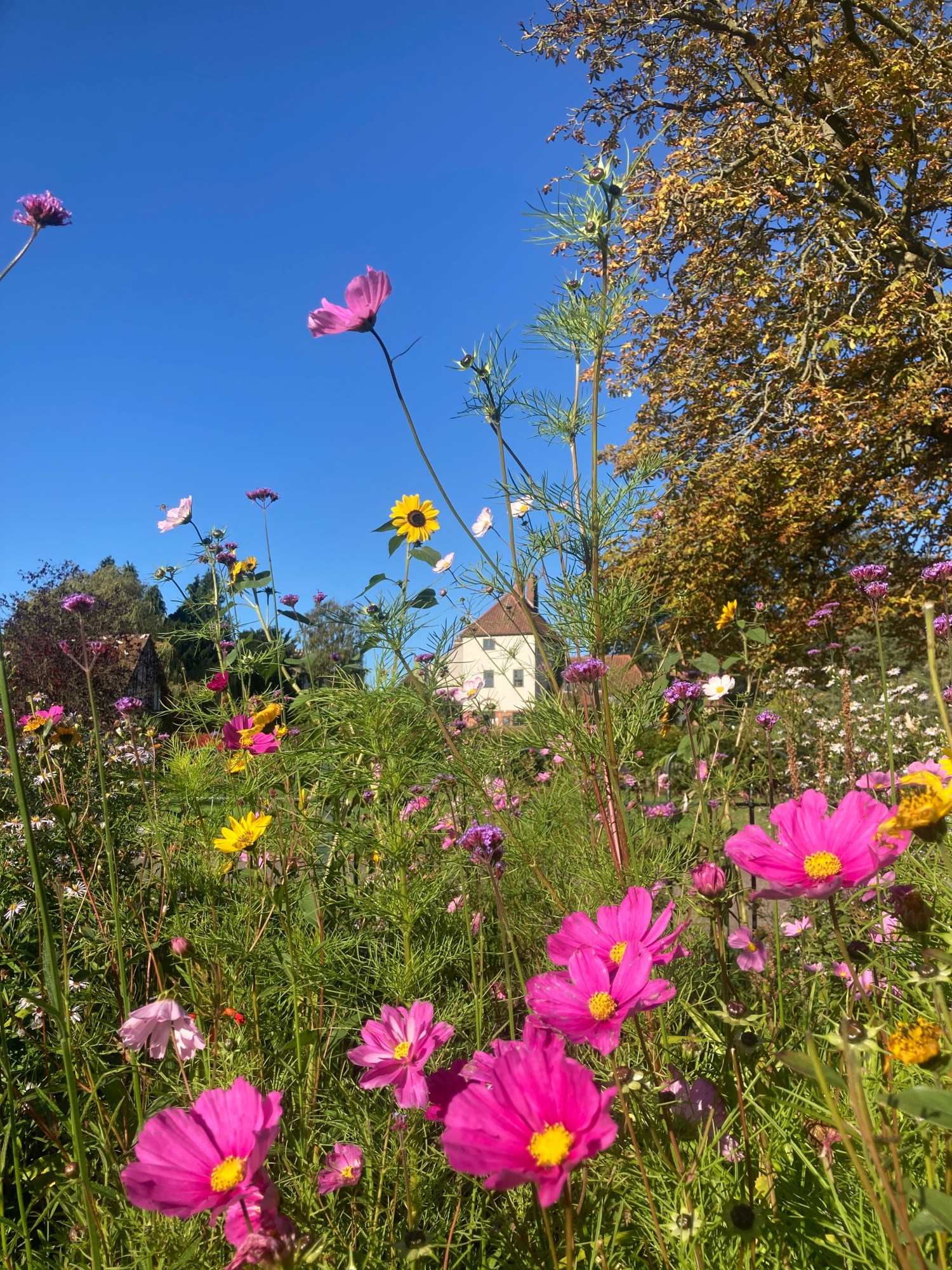
The Pollinator Project
Located near the Terry Avenue entrance, skatepark and basketball court, these beds were originally developed by our volunteers as a dedicated area for pollinator-friendly planting. The planting provides changing sources of food and habitat throughout the seasons for bees, butterflies and other insects, while bringing colour to this busy entrance to the park.
The Lodge Garden
Behind the Reading Café is a small enclosed area that the Friends use for growing and propagation. Our long-term ambition is to grow more of our own plants for Rowntree Park, collect and propagate seed and develop the horticultural skills of our volunteers. Growing our own plants can reduce the cost of maintaining the gardens, make better use of plants that we know thrive in the park’s unusual conditions and allow surplus plants to be sold to raise funds for future gardening. We’re continuing to develop this area and our approach to propagation.
The Rose Memorial Garden/pergola
The Rose Memorial Garden is intended as a quieter place for reflection and remembrance.

Our volunteers care for the garden and the climbing roses around the pergola, alongside other planting within the area. Some existing trees, plants, plaques and benches within Rowntree Park have been dedicated in memory of individuals. New memorials and dedications are managed by City of York Council rather than the Friends, so enquiries about these should be directed to the council. It’s important ashes aren’t scattered in the park or things left in remembrance that can cause harm to wildlife and the environment.
The Wildlife Area
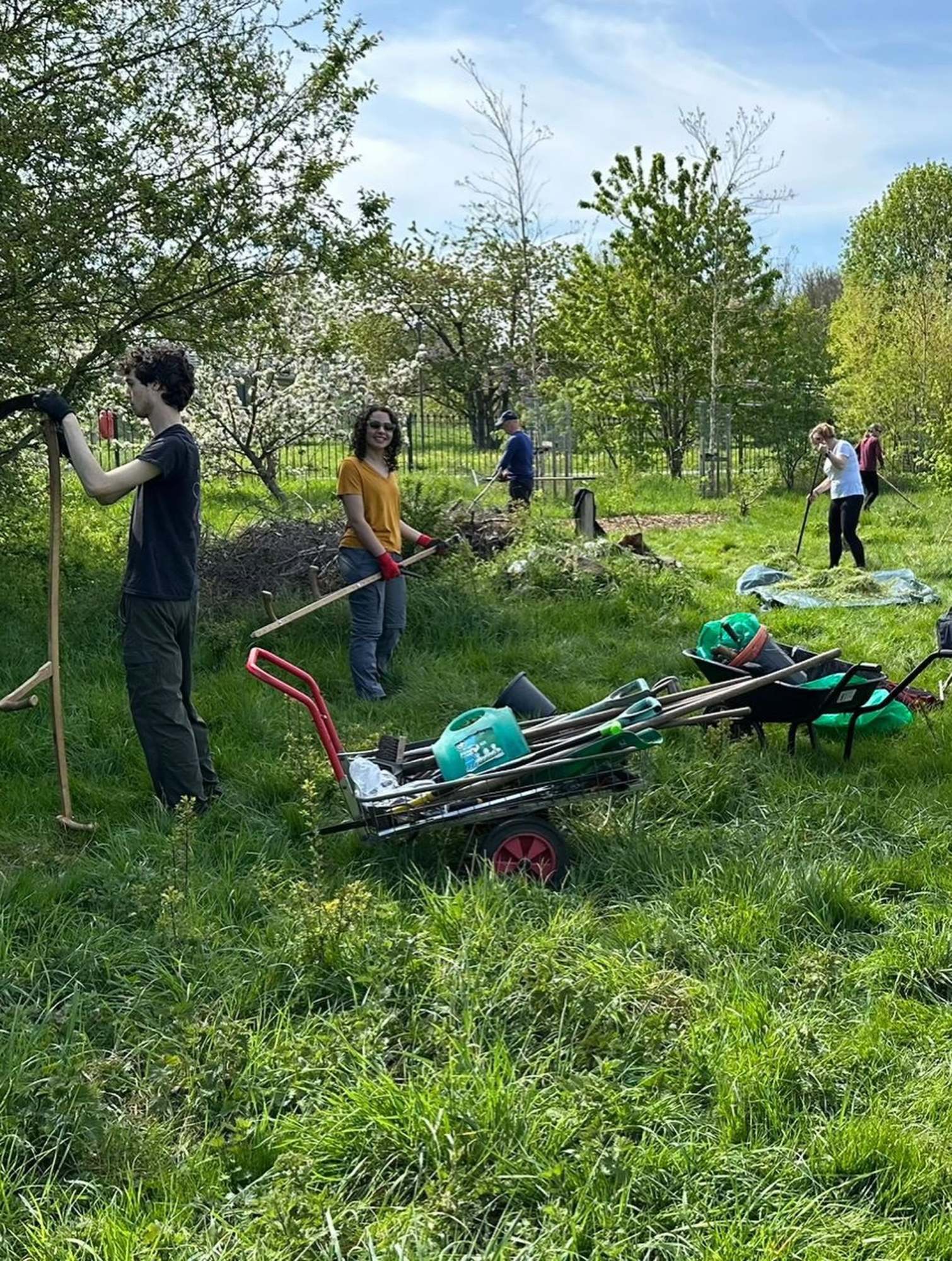
The Wildlife Area has developed considerably since work began there in 2021 and is now one of the most diverse spaces cared for by Friends of Rowntree Park volunteers. Tucked away beside the recreation field towards the Millennium Bridge and Cameron Grove entrances, this relatively small area brings together an impressive range of habitats.
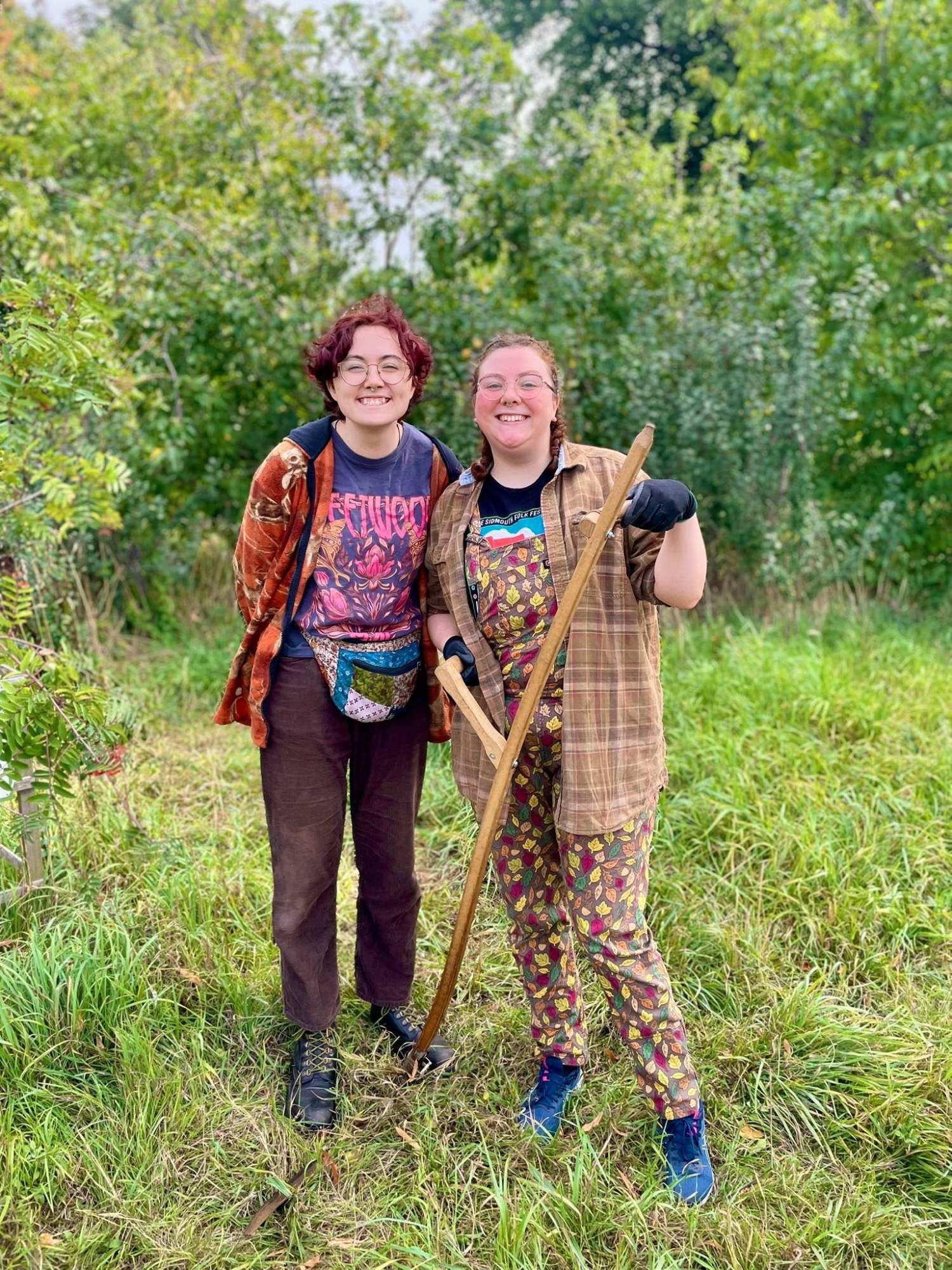
These include a wildlife pond, orchard with 12 varieties of apple tree, wildflower and meadow areas, native hedging, a bee bank, habitat piles and a rockery, as well as willow and hazel grown as working wood for activities within the park. Some areas are deliberately allowed to remain wilder, providing shelter and food for birds, insects, amphibians and small mammals. Traditional conservation techniques, including scything, are also used as part of the management of the meadow areas. The pond is particularly rich in life, including frogs, newts, pond snails and the larvae of dragonflies, damselflies and other insects. We are also establishing areas of tansy, helping create habitat connections with the River Ouse and supporting York’s distinctive riverside ecology.
We have fortnight Saturday volunteer sessions to help care for and develop the area, alongside nature and educational activities for families, young people and schools.

Gardening in a changing climate
Rowntree Park sits on York’s floodplain, so flooding has always been part of its landscape. It creates challenges for our volunteers, but also helps shape the ecology and character of the park. Increasingly, however, our planting needs to cope with both extremes. Alongside periods of flooding and waterlogged ground, hotter and drier summers can leave areas of the park very dry, putting established plants and trees under additional stress and increasing the need for watering.
Over recent years, we have therefore been looking more closely at which plants can tolerate flooding, recover successfully afterwards and also cope with periods of hotter, drier weather. Where trees are replaced or new ones planted in partnership with the council, resilience to the park’s conditions and our changing climate is an important consideration.
We want to develop this approach further through propagation, seed collection and learning from the plants already thriving in the park. Our aim is to make thoughtful planting choices that support biodiversity, reduce the need for intensive watering and replacement planting, and help this historic public park adapt to changing environmental conditions for the future.
Volunteer Gardening
You don’t need to be an experienced gardener to get involved. Our gardening volunteers range from people with years of horticultural knowledge to complete beginners. It’s an opportunity to learn new skills, spend time outdoors, meet other people and make a very visible difference to a park enjoyed by thousands of people.
Our Friends of Rowntree Park Gardening Lead, Stu Small, oversees our general gardening volunteers, with sessions taking place on several weekday mornings. The Wildlife Area has its own regular Saturday volunteer sessions and lead. Once you’ve had an introduction, there are opportunities to volunteer regularly or simply join us when you have time. We also run occasional one-off sessions at different times, including some evenings and weekends.
Whether you can give a few hours once or want to become a regular member of one of our gardening groups, we’d love to hear from you. Register interest here.


