Friends of Rowntree Park was formed in 1993 by a group of local people who cared about the park and wanted to help protect its future. Their aims were to preserve the park’s character and heritage as a war memorial, encourage its use by the local community, support its long-term care and development, and ensure local people’s views were heard by the council.
More than 30 years later, these aims remain at the heart of what we do, although the role of the Friends has grown considerably.
In the early years, the group focused on conservation projects, community activities and working with the council to improve the park. The Friends played an important part in the park’s major restoration in the early 2000s, supported by Heritage Lottery funding, and helped establish projects that brought local people together to care for and enjoy the space.
Over time, changes to council funding and staffing meant the Friends began taking on a much greater role in the park. The loss of the dedicated park keeper in 2017 was a particularly significant turning point. While City of York Council continued to manage the park, volunteers increasingly stepped in to care for its gardens, support wildlife, organise activities and raise funds for improvements.
In 2019, Friends of Rowntree Park became a registered charity, helping us build on this work and develop new projects.
Our membership has grown from around 240 households in 2010 to approximately 1,300 in 2026. Alongside our members, a dedicated team of volunteers, trustees and supporters now helps us care for the park, bring people together and champion its future.
Today, our work ranges from gardening and conservation to children’s nature activities, community events, arts and music, and projects that help make the park more welcoming and inclusive for everyone.
Here’s a look back at some of the people, projects and ideas that have shaped Friends of Rowntree Park over the years.
The early years and park restoration
The Friends’ first chair was Alison Sinclair, followed by Mike Heyworth during the 2000s and Hugo Bentley during much of the 2010s. Cath Mortimer later chaired the group and became Chair of Trustees when the Friends gained charitable status in 2019.
One of the group’s early achievements was its involvement in the major restoration of Rowntree Park, supported by Heritage Lottery funding around the turn of the millennium. The restoration helped protect and improve this much-loved historic park for future generations.
The Friends also developed a membership scheme, allowing people to support the park even if they couldn’t volunteer directly. By 2010, around 240 households were members. Membership grew significantly after the scheme moved online in 2018, reaching approximately 1,300 members by 2026.
This growing support has been vital as the Friends’ activities and responsibilities have expanded.
2000-2010
Gardening: caring for the park’s green spaces
When Rowntree Park first opened in 1921, it had a resident park keeper and a team of gardeners. The park was known for its formal planting, colourful flower beds and carefully maintained gardens.
Over the decades, council staffing and resources changed considerably. By the 2000s, the park no longer had its original team of gardeners, and in 2017 the last dedicated park keeper, Dave Brown, left his role after more than four decades working in the park.
This was a major turning point. The council continued to manage the park and carry out basic maintenance, but the Friends became increasingly involved in maintaining and developing some of its planted areas.
Our volunteer gardening programme was initially established by Rosemary Bentley, whose enthusiasm and dedication helped create the foundations of the gardening community we have today. Rosemary sadly passed away in 2022, and the Sensory Garden in the centre of the park is named in her memory.
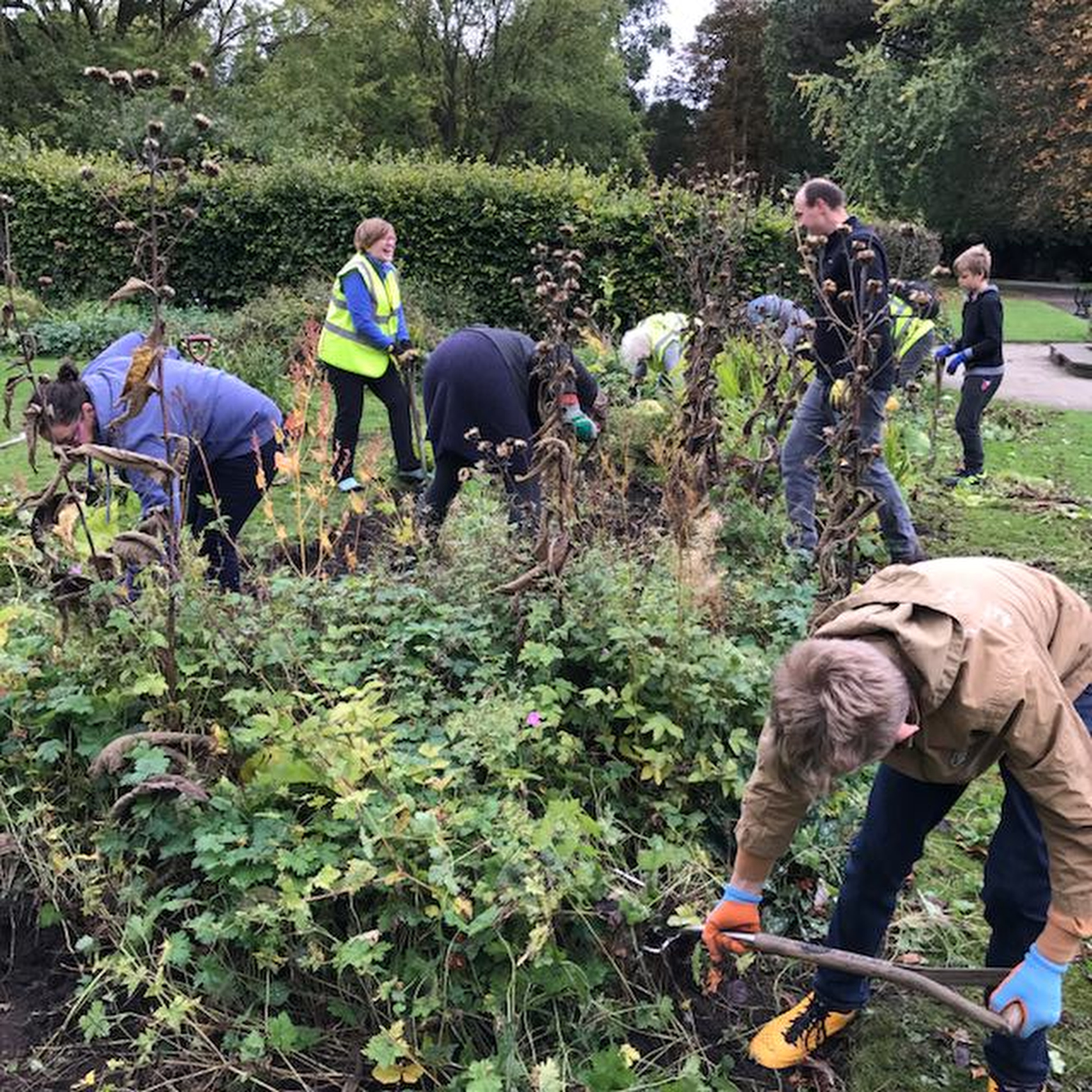
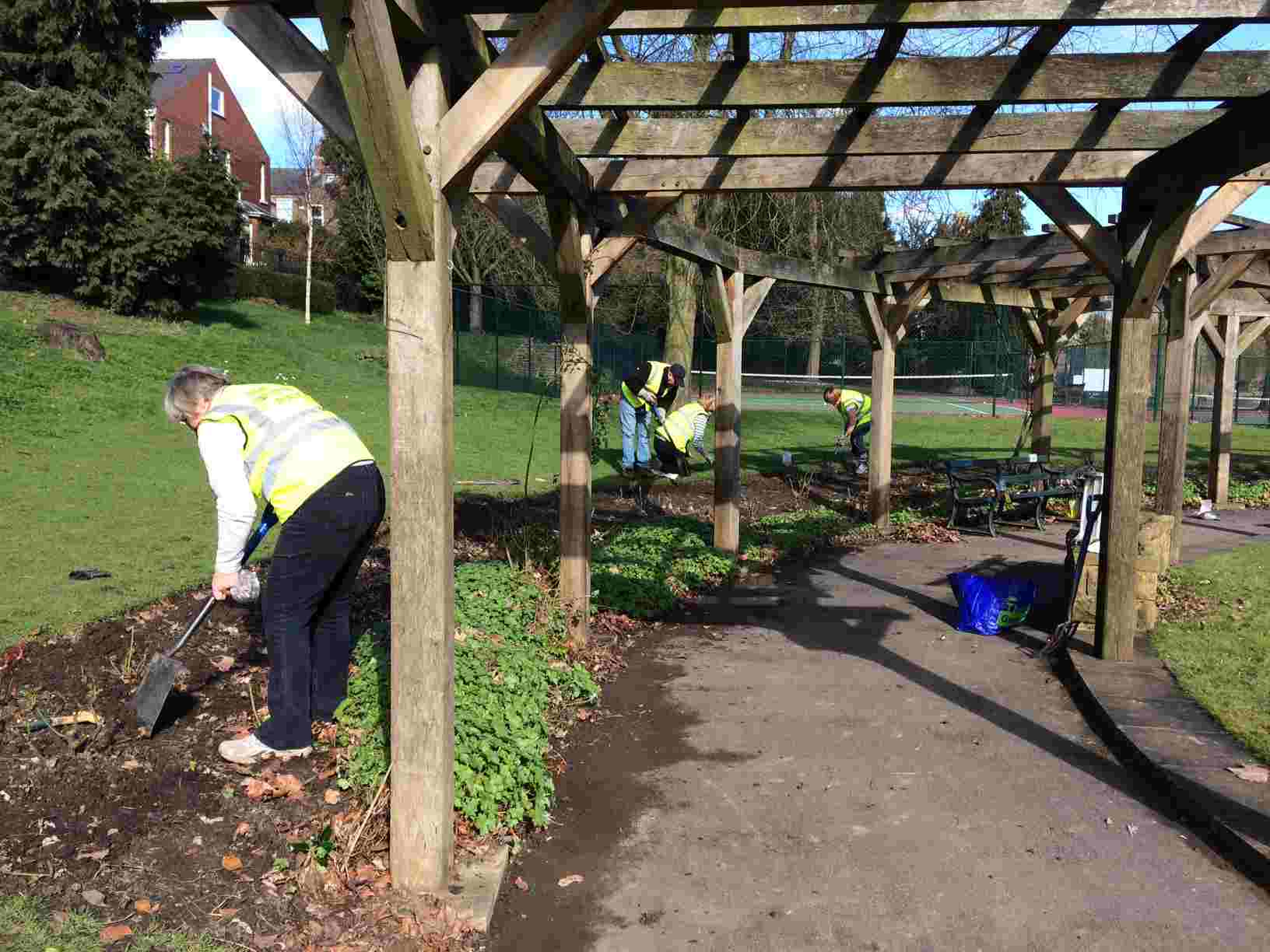
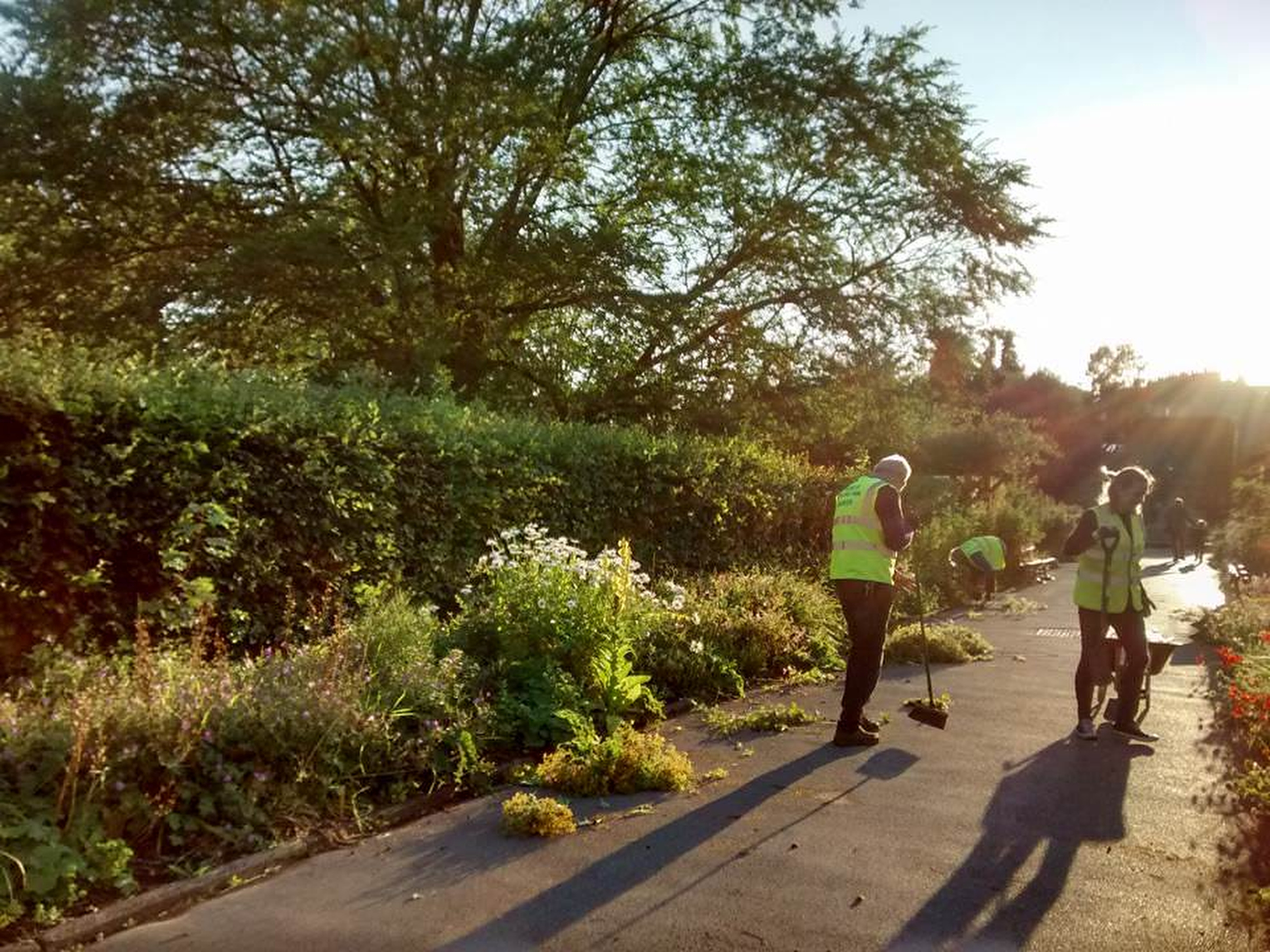
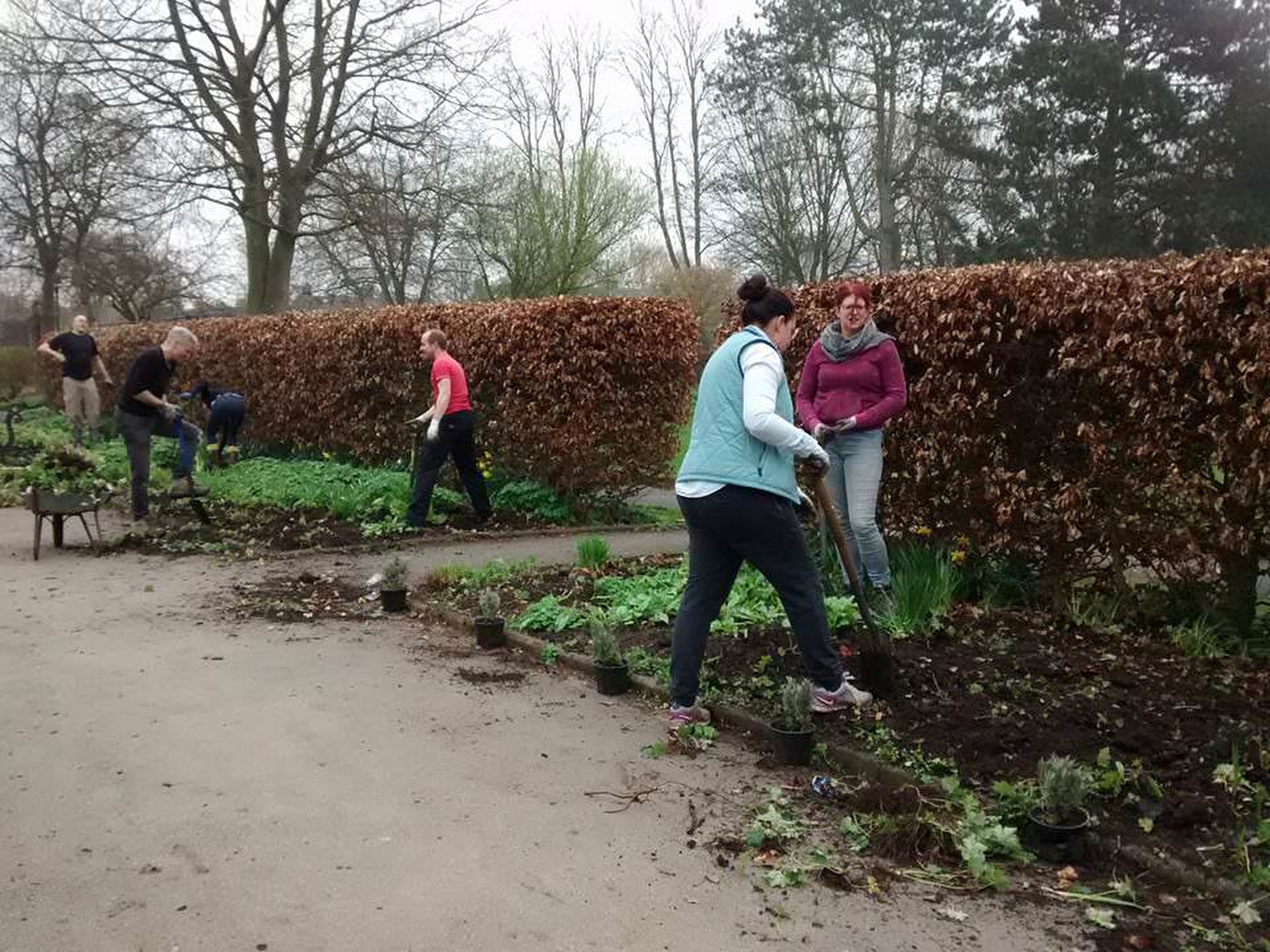
Over the years, volunteers have transformed and cared for areas including the Long Borders, the Sensory Garden, the Friends Picnic Garden and the Rose Pergola. Planting has focused on colour, biodiversity, wildlife-friendly flowers and species able to cope with the park’s sometimes challenging flood conditions.
The Friends have also funded plants, tools, equipment, raised beds, railings and improvements to these areas through membership contributions, donations, grants and fundraising.
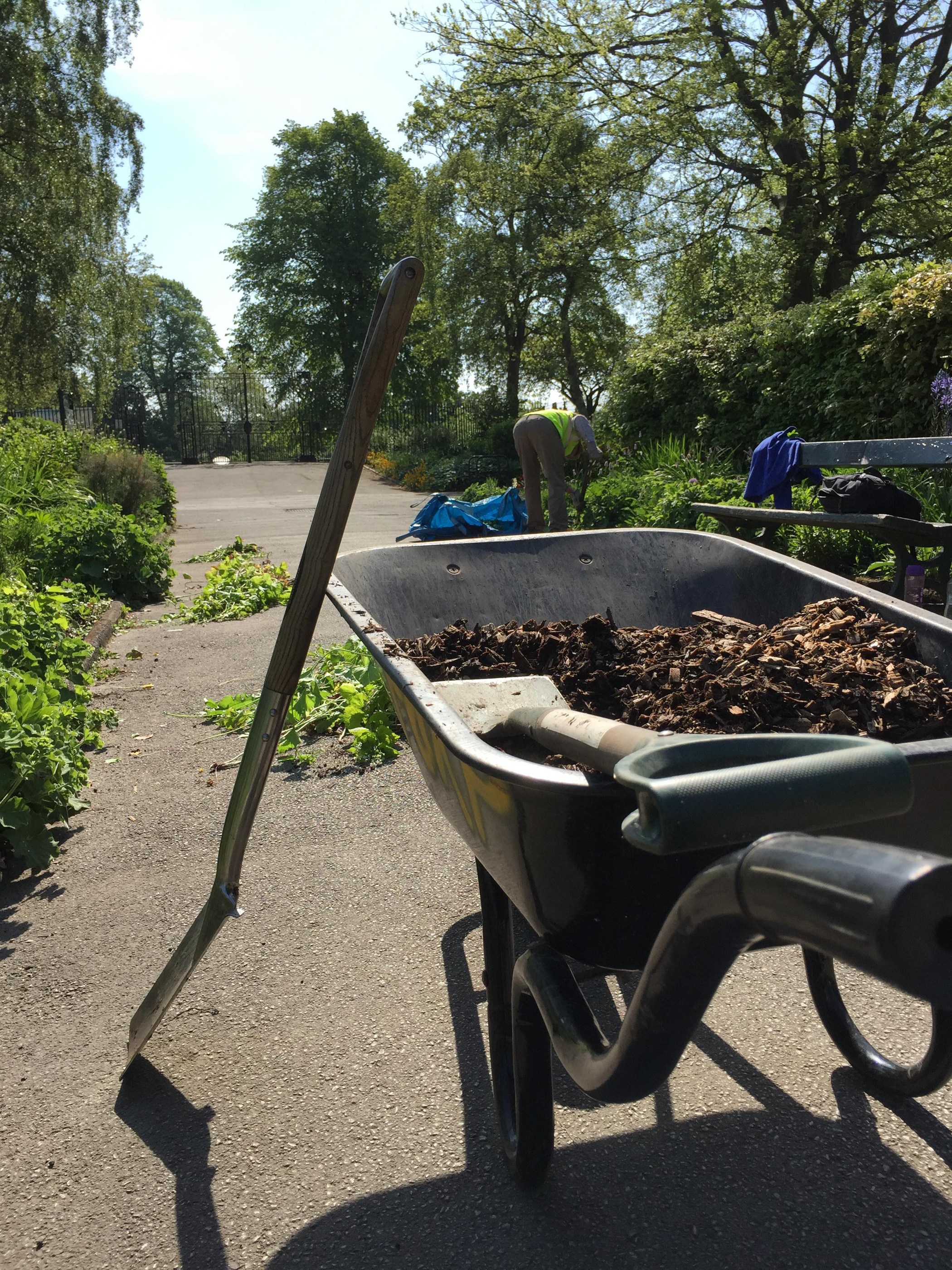
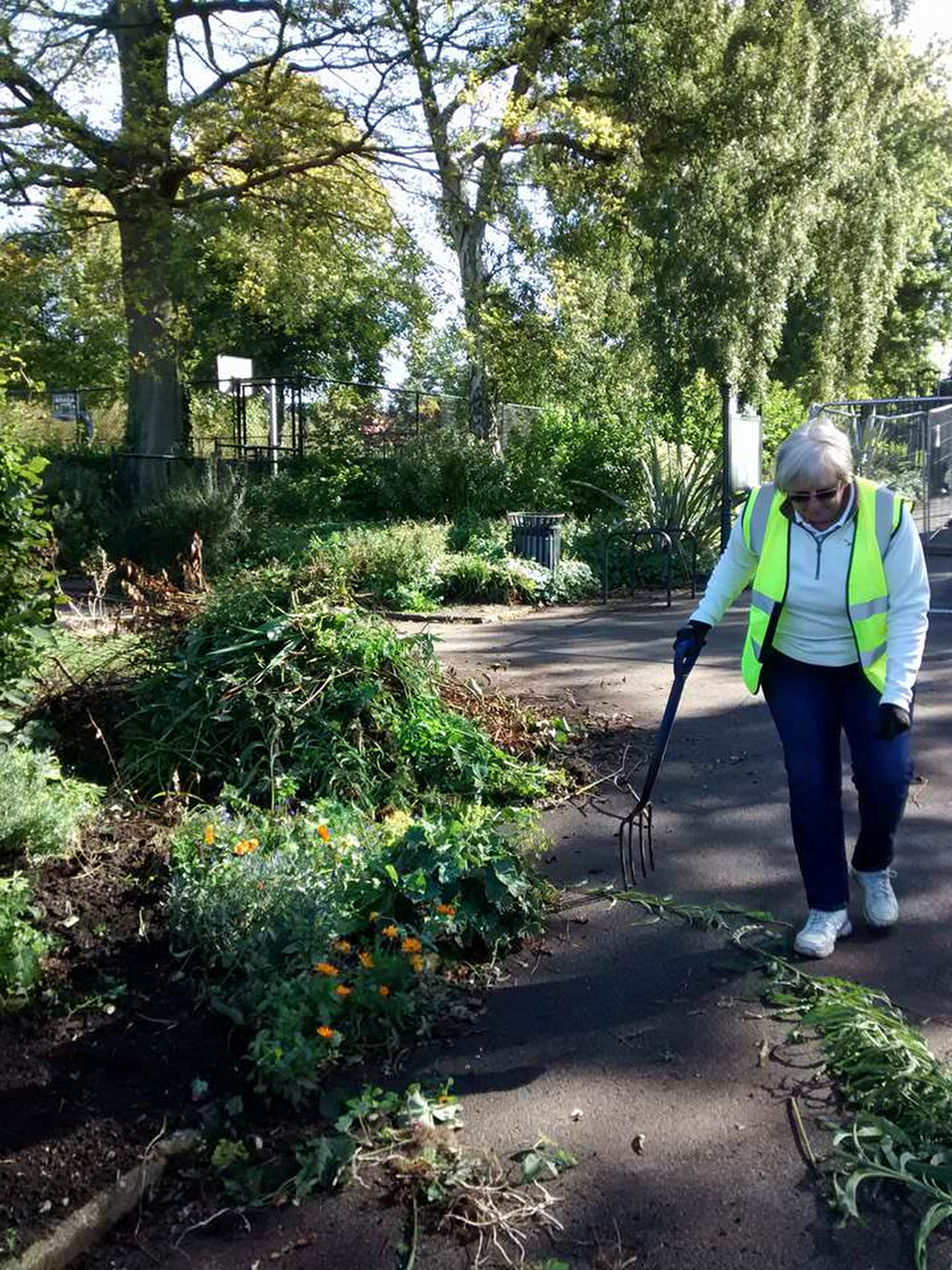
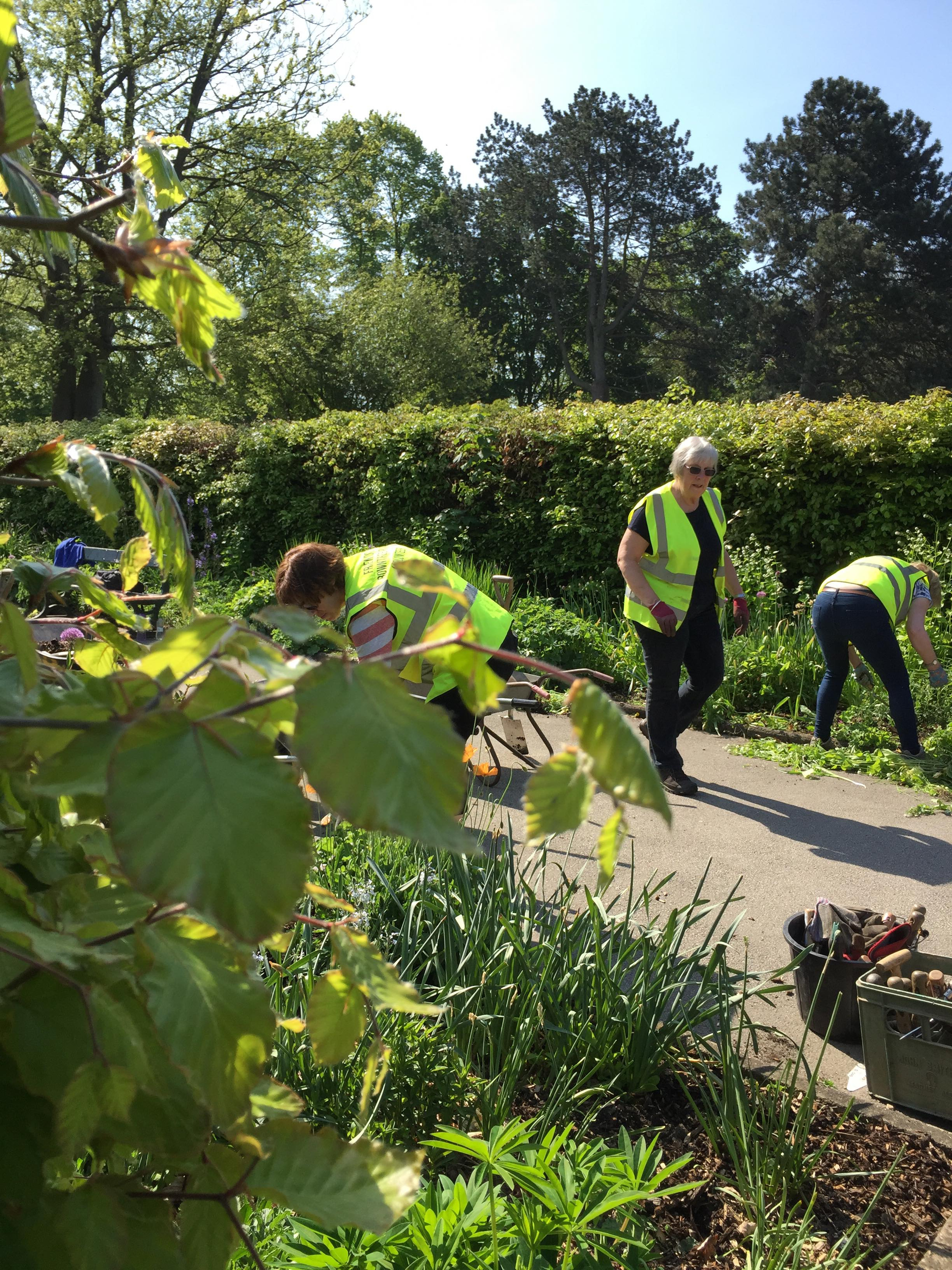
Today, gardening remains one of our largest volunteer activities, with regular sessions throughout the week. The work is about much more than keeping the park looking attractive. Our volunteers help create habitats for wildlife, support biodiversity and provide opportunities for people to connect with nature and each other.
Conservation and the wildlife area
Conservation has been an important part of the Friends’ work since the early years.
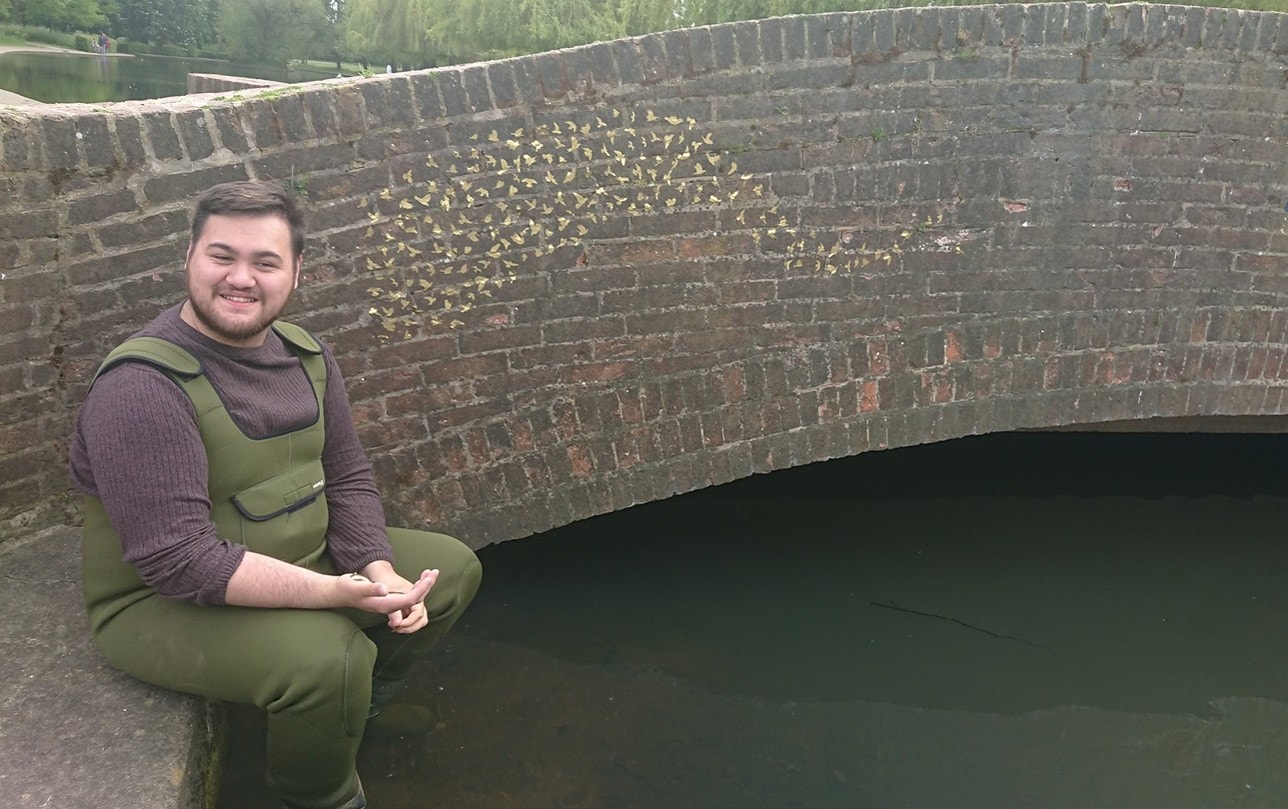
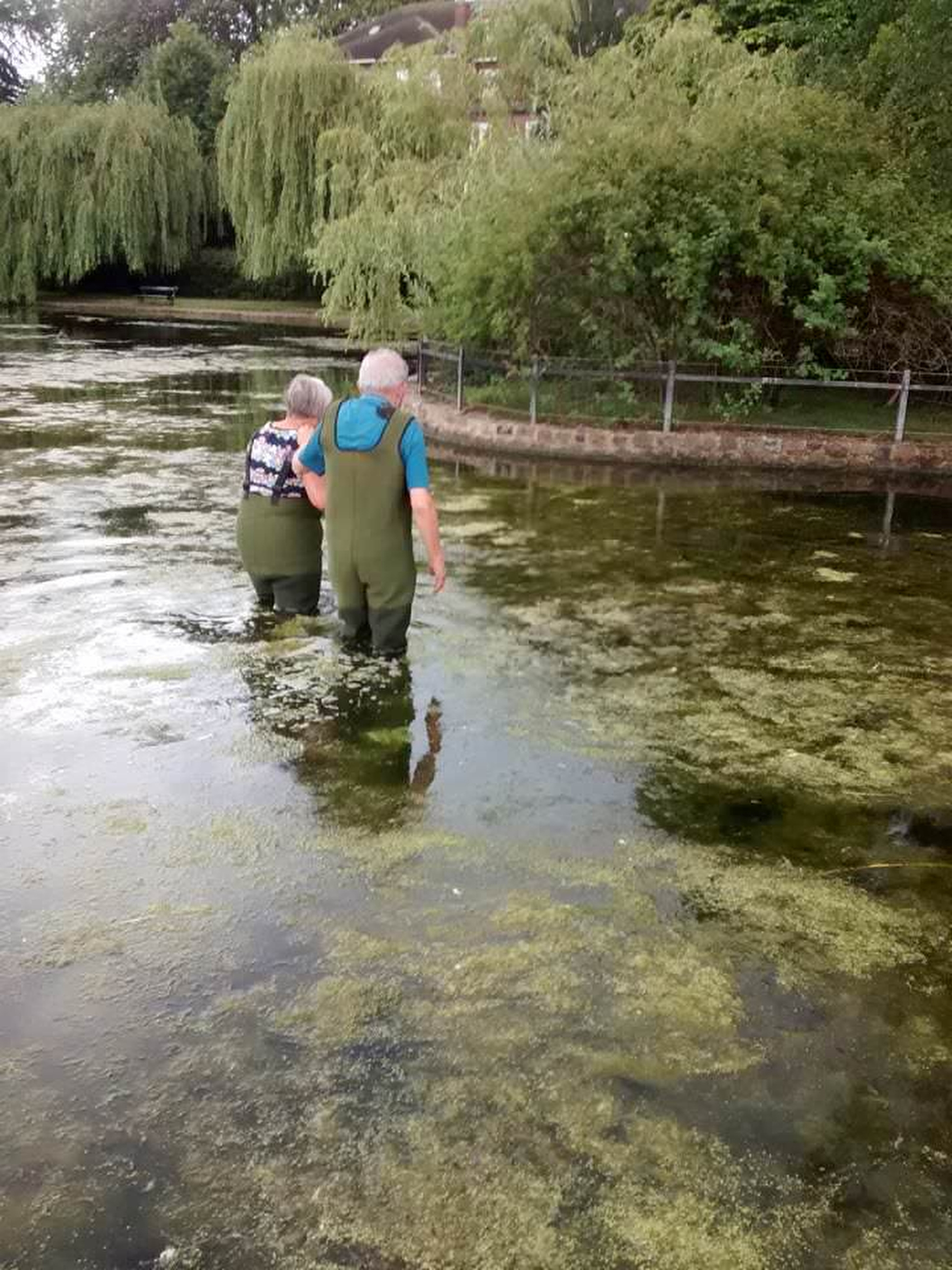
During the 2000s, the Friends established the Park Active programme, which brought volunteers together for practical environmental work including tree planting, invasive plant removal and improvements to wildlife habitats. The group also helped develop the beck area, including pathways, a bridge and a wildlife pond created in 2011. Although Park Active eventually came to an end, conservation continued to be a priority.
In 2020, the Friends began developing a dedicated wildlife area within Rowntree Park, including restoring the wildlife pond. Over the following years, volunteers have helped create a varied space for nature and learning. The wildlife area now includes 12 apple trees, a pond, bee bank, meadow, floodplain grasses, wildflowers and dead hedges, all providing different habitats for wildlife.
Traditional conservation techniques are an important part of how we manage the space, including the use of scythes to maintain meadow areas. The wildlife area has also become a small outdoor education space where children, families and volunteers can learn about habitats, biodiversity and the natural world.
Regular volunteer sessions help maintain and develop the area, and it continues to be an important part of the Friends’ commitment to making Rowntree Park a place where nature can thrive.
Children’s activities and connecting with nature
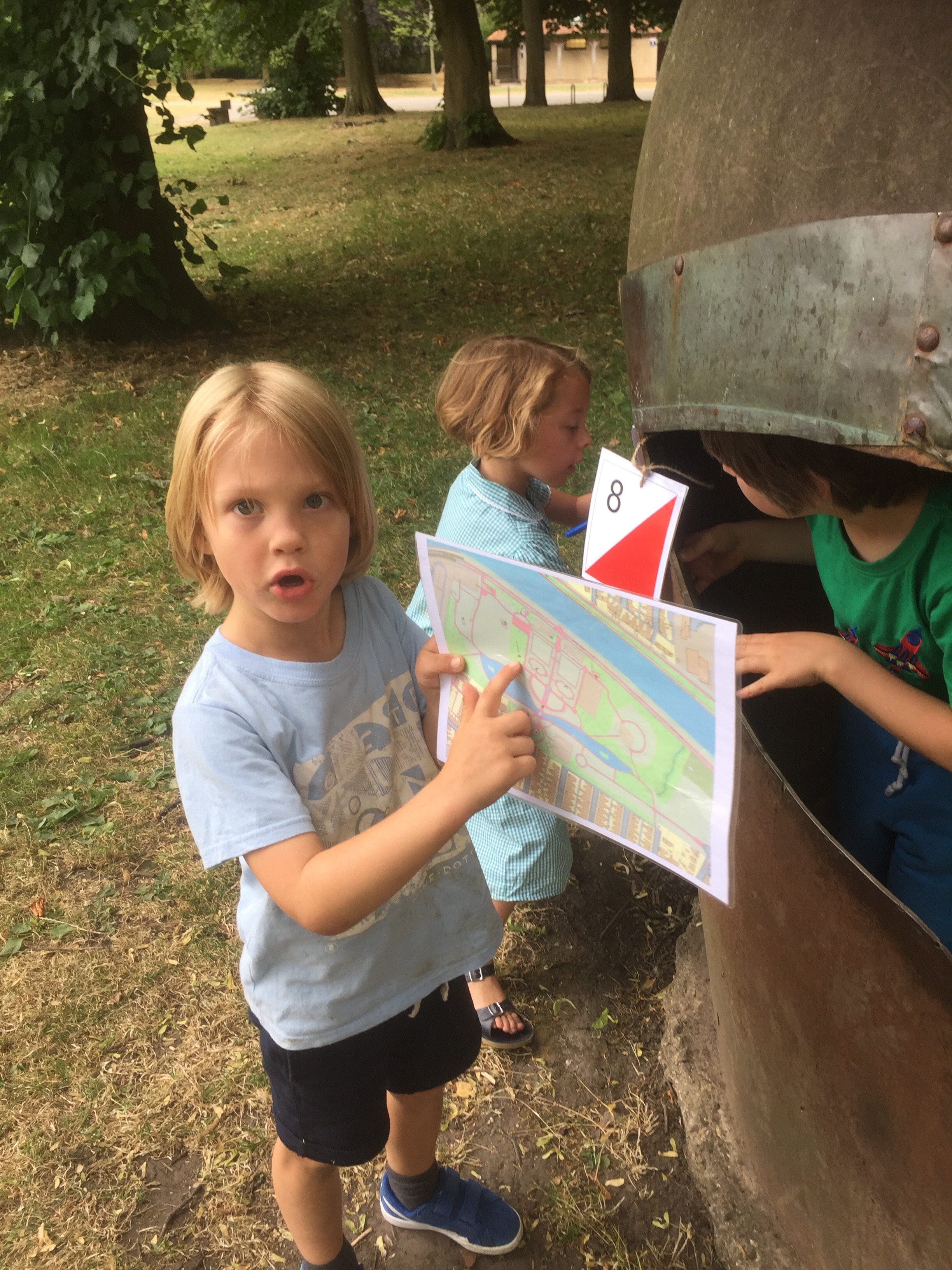
Children and families have always been central to the Friends’ work. The Young Friends of Rowntree Park was established in 2002, offering children opportunities to explore the park, learn about nature, get creative and take part in community projects.
The Very Young Friends group was also established in the early 2000s, initially led by Lara McClure. It brought together young children and their parents or carers for picnics, songs, stories, den building and outdoor play. Over the years, the group has been supported by a number of dedicated volunteers, including Francesca King, Chera Joy and Christine Banham. The groups contributed to creative projects around the park, including the footprint maze and a community mosaic created in 2010 as part of a project exploring people’s memories of Rowntree Park.
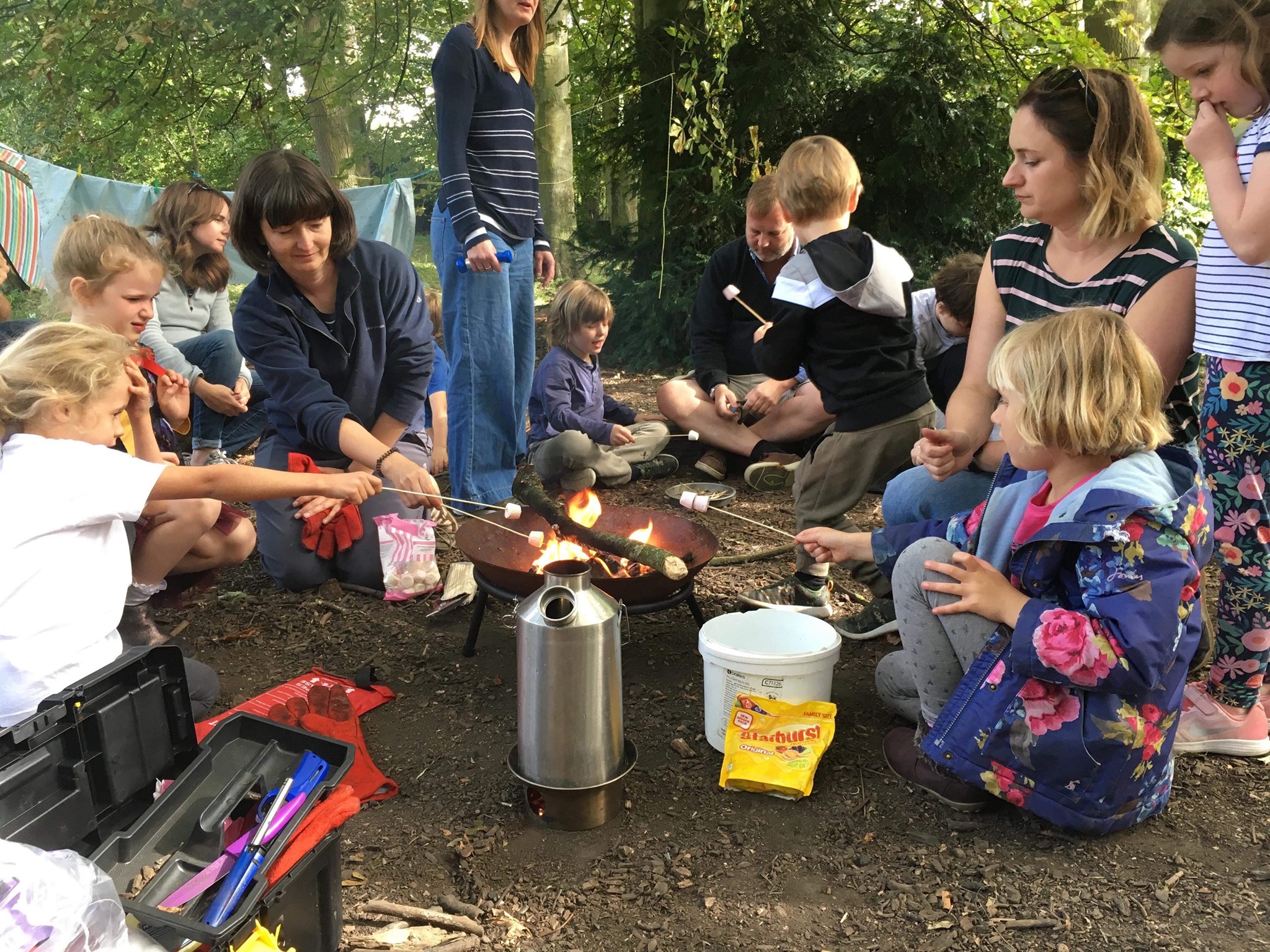
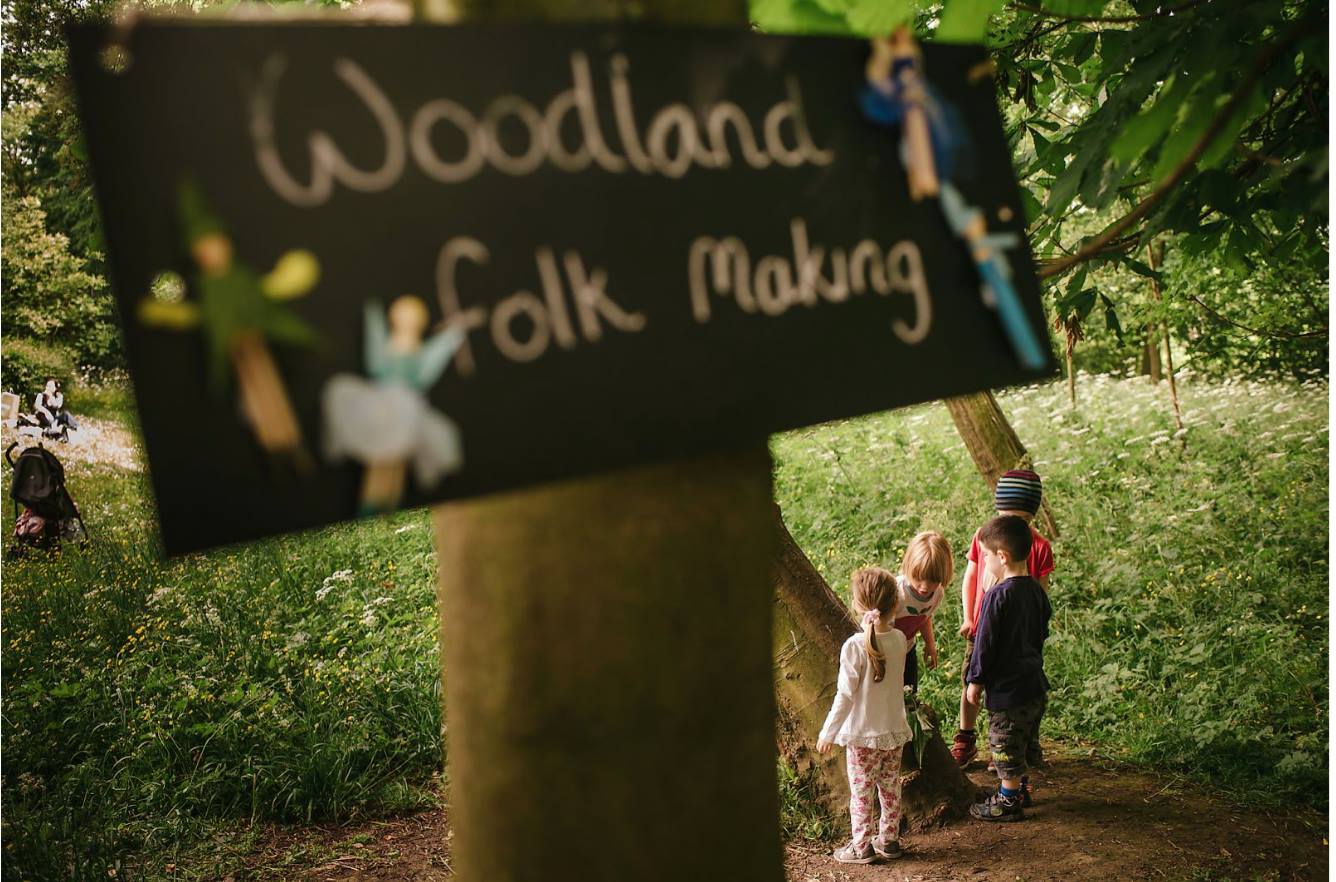
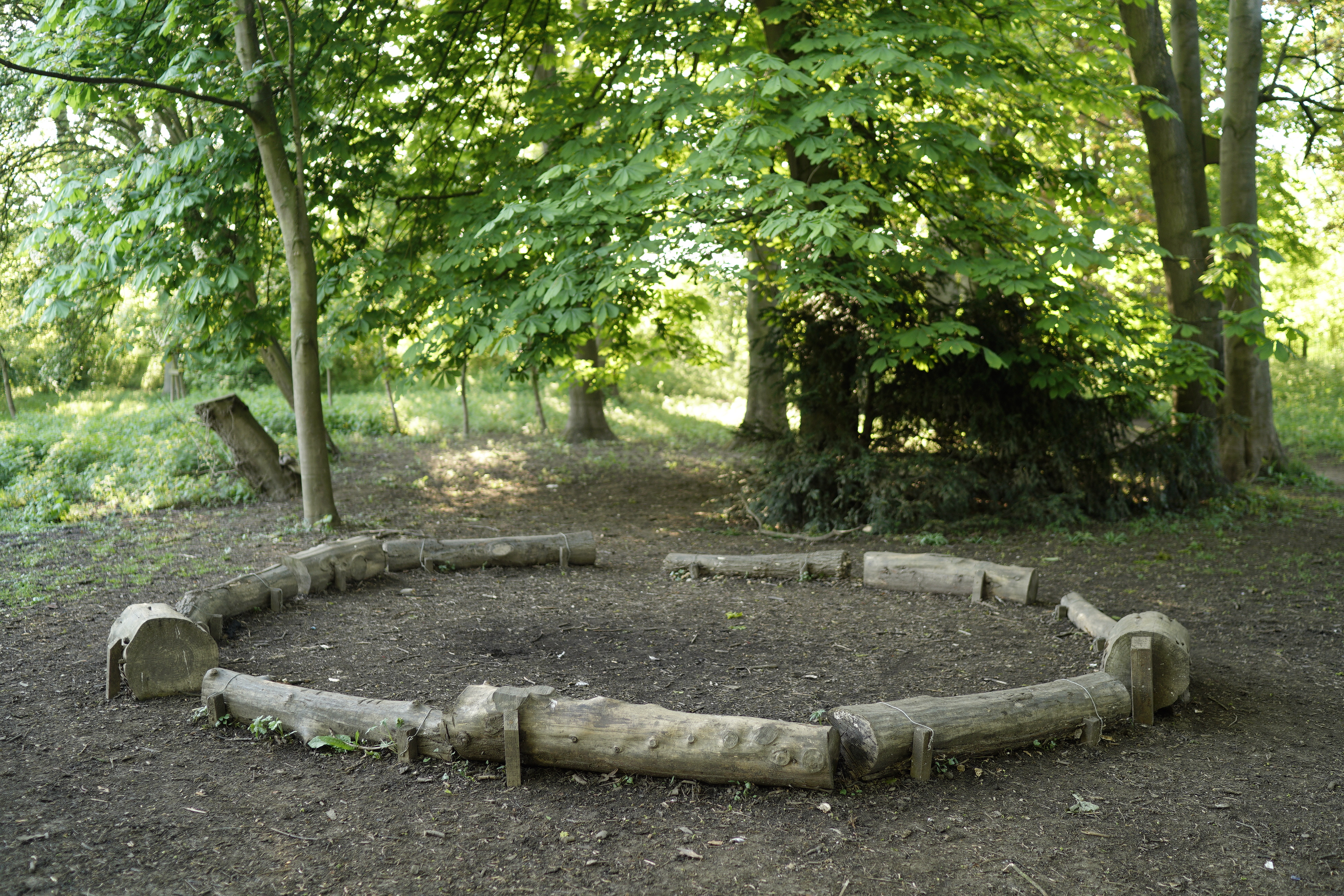
As the years passed, children’s activities expanded to include nature walks, wildlife sessions, seasonal celebrations, crafts, storytelling and educational activities with local schools. In 2019, Forest School sessions were introduced following Christine Banham’s training, providing opportunities for young children to develop confidence, creativity and practical skills through outdoor learning.
Today, Very Young Friends continues to offer nature-based activities for younger children, while our wider children’s programme includes events for approximately 2-12 year olds throughout the year. Popular activities include our Easter Hunt, Halloween events, Christmas crafts, autumn art and other seasonal nature-based sessions.
Our aim remains much the same as it was in the early days: to help children enjoy being outdoors, discover nature, feel connected to their local park and create happy memories. These activities also help raise funds for the charity, allowing us to reinvest in caring for and improving Rowntree Park.



Art, creativity and music
Art and creativity have been part of the Friends’ work for many years, helping people experience the park in different ways.
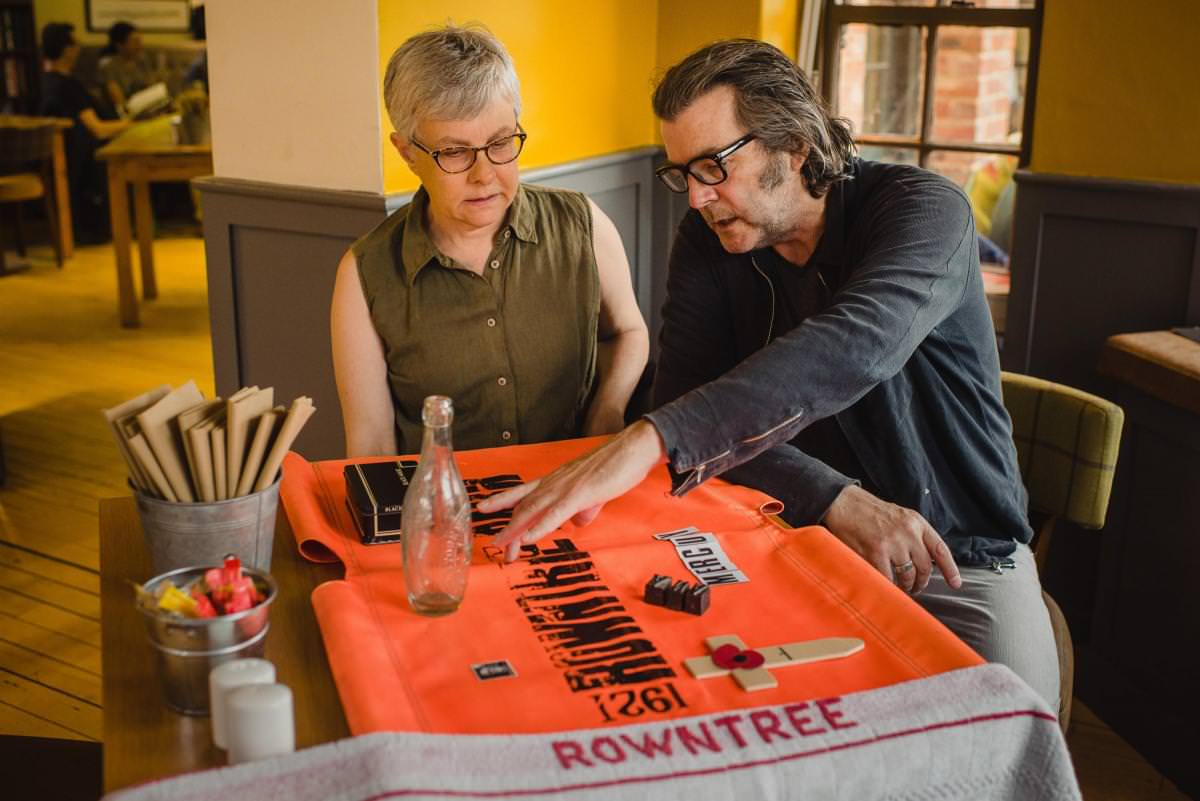
In 2017, local artist Gerard Hobson created the King of the Birds trail, leading visitors around the park in search of painted wooden birds while following a story. He also ran creative workshops for adults and children. In 2018, artist Nick Booth worked on a project exploring the history of the park, with his work displayed in the Reading Café. Other local artists, including Mister Dills, have contributed workshops and activities over the years.
The park has also inspired community craft projects and colourful yarn-bombing installations. Local makers and volunteers have created knitted and crocheted displays, including poppies to commemorate the centenary of the end of the First World War in 2018.
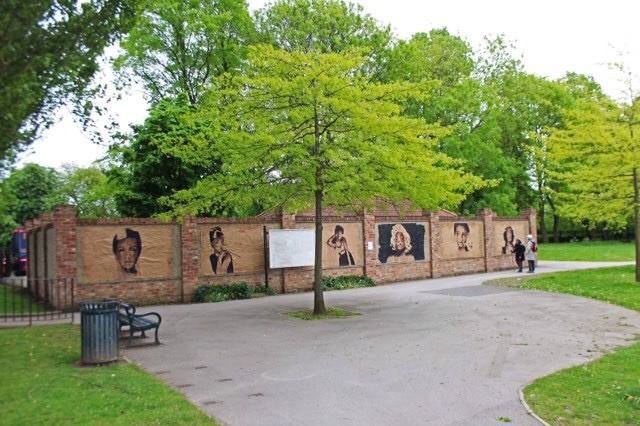
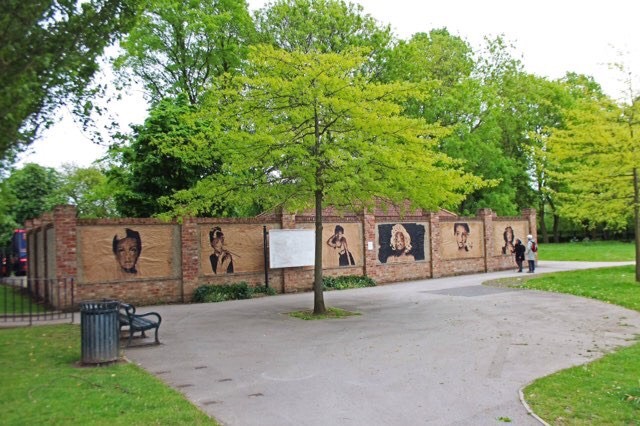
In 2021, as part of Rowntree Park’s centenary celebrations, the Friends launched Art in the Park. The project invited local artists and creative enthusiasts to submit work inspired by the park, with selected pieces displayed along the railings in the centre of the park. Art in the Park has since become a popular annual project, creating a free outdoor gallery for visitors to enjoy and celebrating the creativity of the local community.
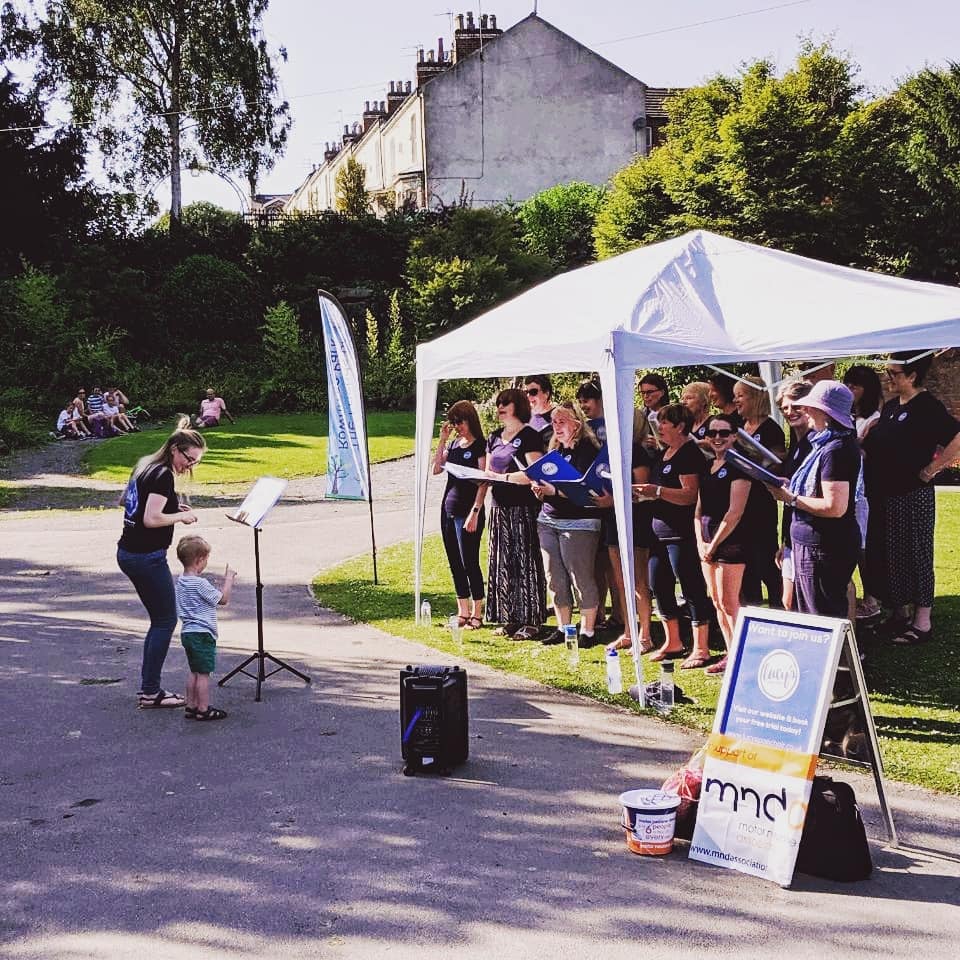
Music and performance have an equally long history in Rowntree Park. In the park’s early years, brass bands performed at weekends, while later decades saw community performances, theatre and musical events. In 2018 and 2019, volunteers helped coordinate a programme of free summer music, bringing a variety of performers to the park. Over the years, the Friends have continued to welcome and support music, theatre and other creative events, helping make the park a place for cultural experiences as well as relaxation and recreation.
Community events and celebrations
Bringing people together has always been one of the Friends’ main aims.
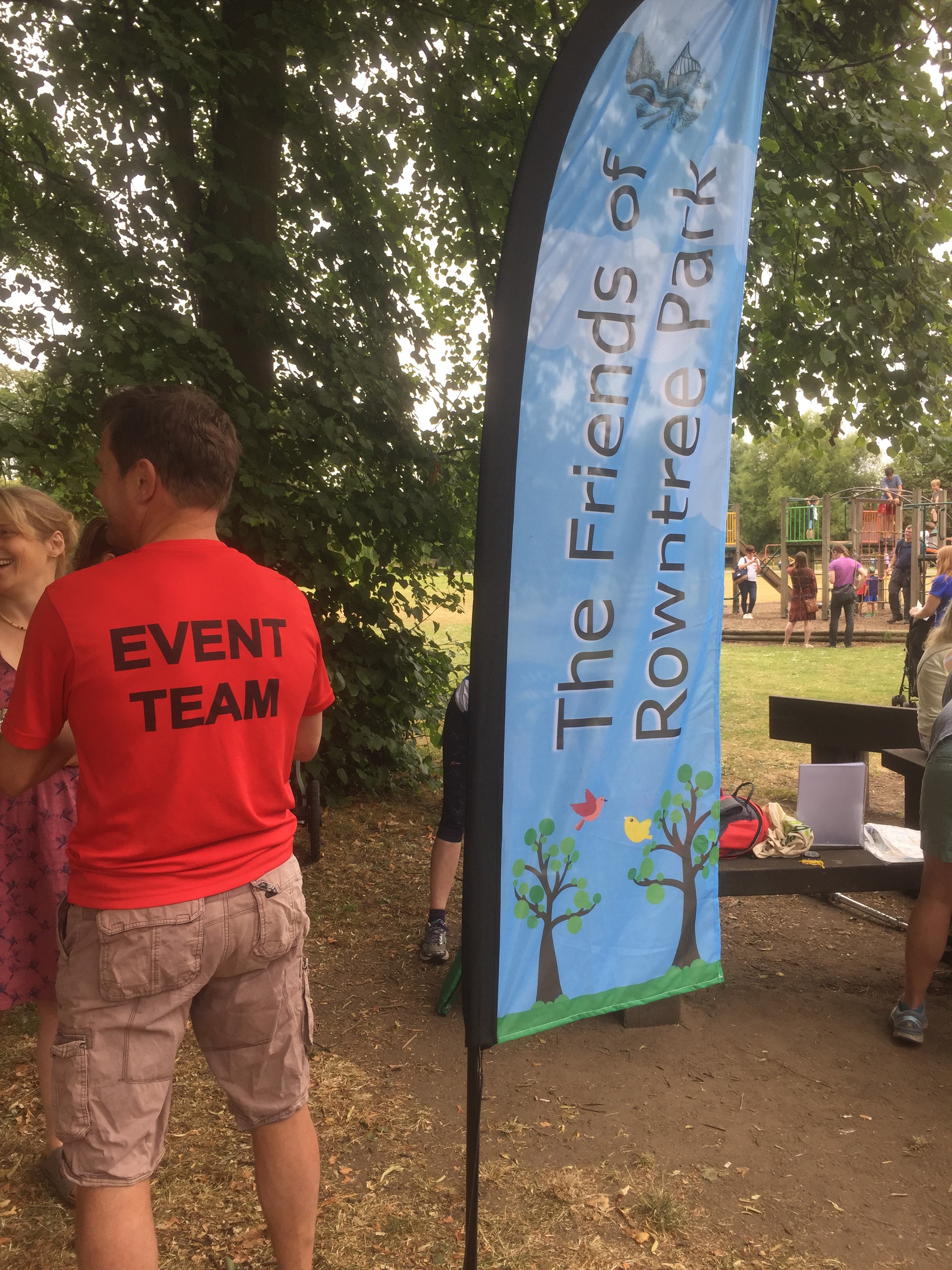
Over the years, we’ve organised and supported a wide range of community events, including wildlife days, family activities, creative workshops, seasonal celebrations, nature walks and wellbeing sessions.
One of the best-known events was the annual Rowntree Park Birthday Party. A major celebration took place in 2003 following the park’s restoration, with live music, crafts, stalls, model boats and fairground rides. The birthday party became a popular annual tradition, held around the park’s anniversary on 16 July. By 2016, the event attracted more than 5,000 visitors. However, its popularity also brought significant challenges for a volunteer-led organisation, and the event eventually came to an end.
The park’s centenary in 2021 provided another opportunity to celebrate its history and importance to the city. Community events have continued to evolve, with the Friends organising smaller activities throughout the year and supporting other local groups and organisations to use the park for their own events.
These activities help people connect with one another, discover new interests and enjoy the park in different ways. They also provide an important source of fundraising income to support the charity’s wider work.




Making the park more welcoming for everyone
As the Friends’ work has developed, we’ve increasingly focused on how the park can meet the needs of different people in the community.
In 2021, Make Space York began working with teenage girls to understand how parks could become more welcoming and inclusive for them. Through surveys, workshops, events and conversations with young people, the project explored what girls wanted from their local parks and why some stopped using them as they grew older.
This led to the creation of a new area in Rowntree Park, co-designed with teenage girls and featuring social seating, climbing and informal play opportunities. The first phase opened in 2024, with further improvements installed in 2026. The project has also brought new activities into the park, including the Make Space Festival, which offers free opportunities for girls to try sports, creative activities and other experiences in a welcoming environment.
The Friends have supported improvements to the skatepark and other facilities, alongside projects that help people of different ages feel more comfortable using and enjoying the park.
This work reflects one of the Friends’ original aims: to encourage the park’s use by the whole community and help it adapt to changing needs.
The search for a community space
For many years, the Friends have hoped to establish a permanent community space within Rowntree Park.
In the past, children’s groups, the Friends and other park users were able to use the old tennis pavilion. However, repeated flood damage eventually made the building unsuitable, leaving the park without a dedicated indoor community facility. In the mid-2000s, the Friends developed an ambitious proposal known as the Ark in the Park, designed by local architect Phil Bixby.
The idea was for an environmentally focused community building that could rise and fall with floodwater, using technology developed in the Netherlands. The project received planning permission and attracted support, including a proposed contribution from the Environment Agency Flood Levy Fund. Unfortunately, despite considerable effort, the Friends were unable to raise the funding required and the project never went ahead.
The ambition for a community space did not disappear. In 2018, volunteers from Aviva helped create a small clubhouse beneath the Reading Café. Although useful for storage and small meetings, the space was too limited to accommodate the range of activities the Friends hoped to offer.
Attention later turned to the former park keeper’s lodge, with proposals to convert it into a community building. Working with local supporters and professionals, the Friends have since developed plans for the building and secured planning permission, alongside a business plan for its future use.
The project remains a major ambition for the charity. However, with conversion costs estimated at more than £900,000, securing the necessary funding is a significant challenge. A permanent community building would create new opportunities for activities, education, volunteering and community use, while giving the Friends a much-needed base within the park.
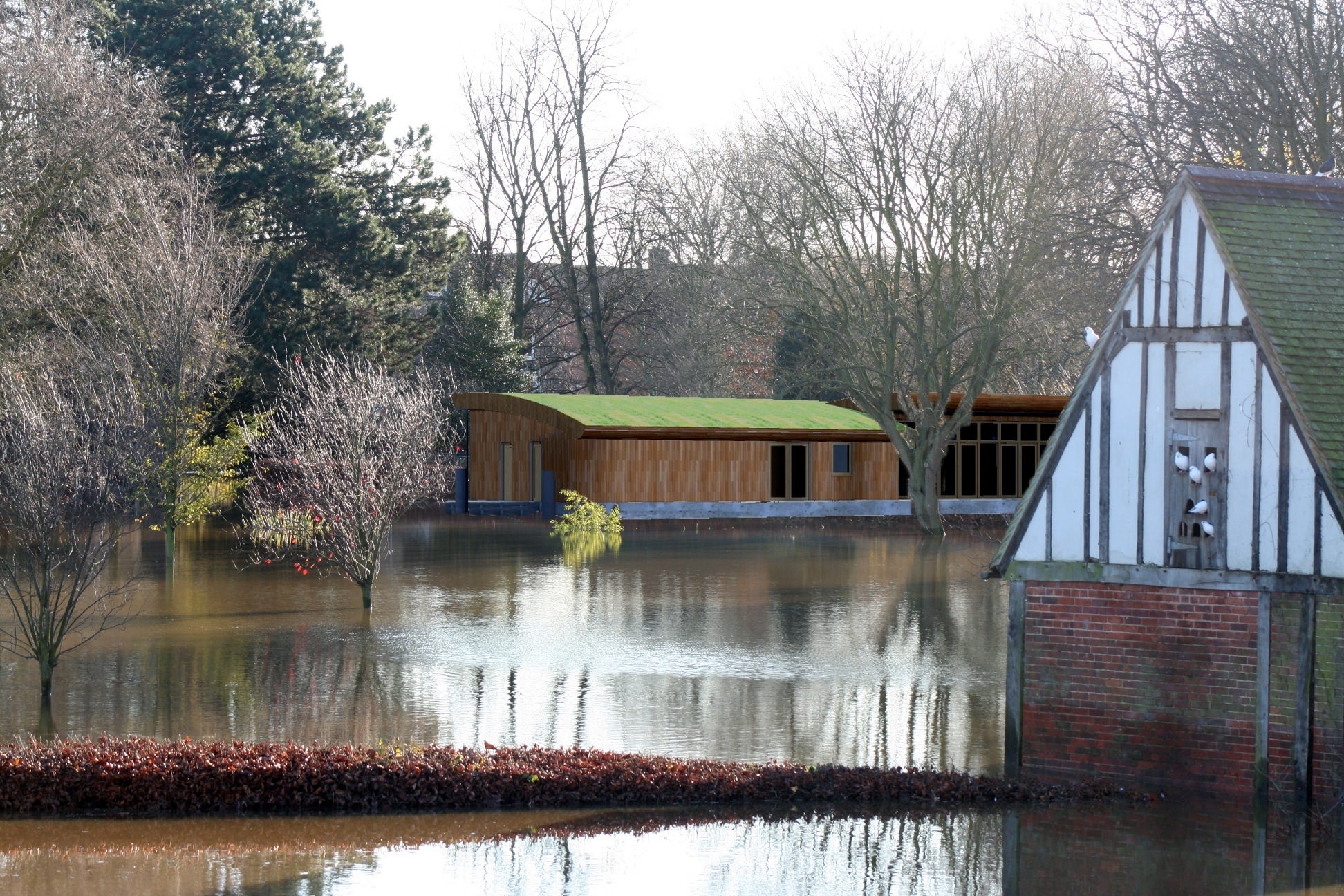
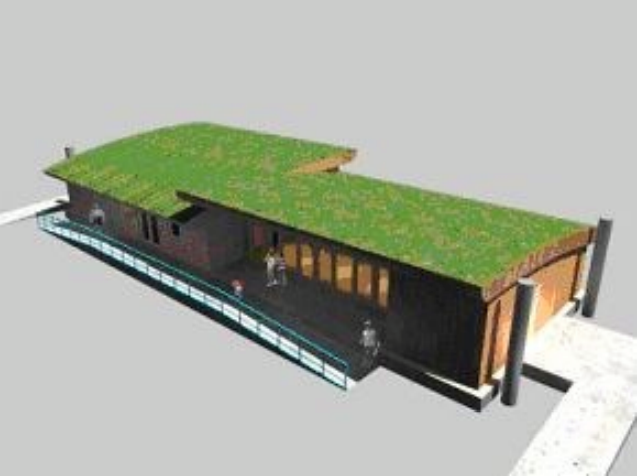
The Friends got planning permission and got backing of the Council’s Advisory Panel for Leisure and Culture and Social Inclusion. The Environmental Agency Flood Levy Fund said they’d give £50,000, but a 2006 lottery fund bid was unsuccessful. The Friends continued to try and fundraise but they never reached their target and the dream ended.
Looking ahead
From a small voluntary group formed in 1993, Friends of Rowntree Park has grown into a charity supported by around 1,300 members and a dedicated community of volunteers and supporters.
The nature of our work has changed considerably over the decades, particularly as council resources for parks have reduced. Today, our volunteers help maintain gardens and wildlife habitats, organise activities, raise funds for improvements and speak up for the long-term care of Rowntree Park.
While the park remains managed by City of York Council, the Friends play an important role in helping it remain a welcoming, attractive and well-loved space for everyone.
There have been many people, projects and ideas behind this story, far more than we could include here. We’re grateful to everyone who has given their time, skills, enthusiasm or financial support over the years.
The park has changed since 1993, and so have the Friends, but our commitment to protecting and improving Rowntree Park for future generations remains the same.