
Rowntree Park Gates
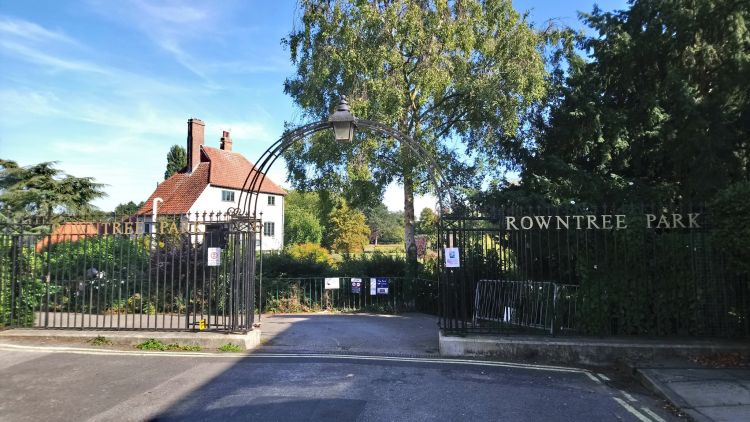
The park has a range of entrances. The main entrances are from Terry Avenue and Richardson Street. There are also gates from Lovell Street and Cameron Grove as well as the car park entrance from Terry Avenue. The Butcher Terrace gates were a later addition to the park following the park’s extension.
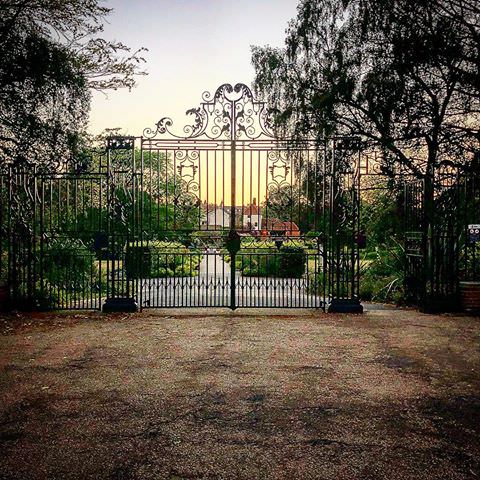
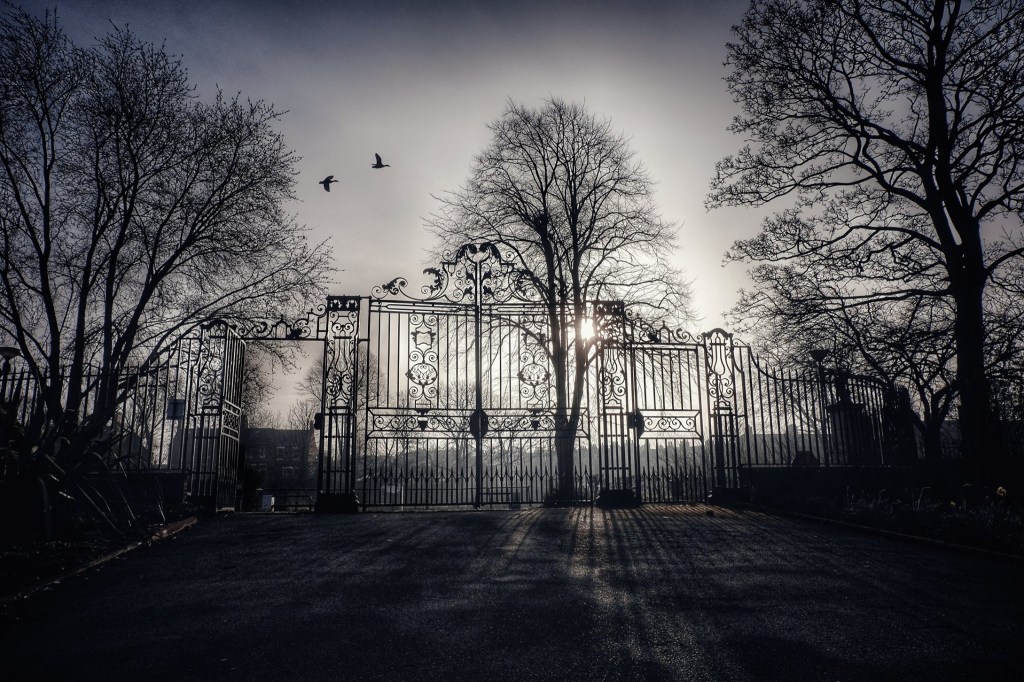
The Iron gates that bare the name ‘Rowntree Park are from 1921 and were restored in the early 2000s. The Terry’s Avenue entrance was also made during the first year of the park but was originally wooden. The current gate was installed in 1955 presented by Rowntree & co Ltd as a tribute to the employees who’d lost their lives in the Second World War (1939-45). These gates are thought to be circa1715. They are said to be by Jean Tijou – a French Huguenot ironworker who produced a lot of work in England including Hampton Court Palace. Our gates are thought to originate from Buckinghamshire. There are plans to repaint these gates in 2020. Last repainted and repaired in around 2003 by Don Barker (see below). The gates and the two gate piers are Grade II listed.
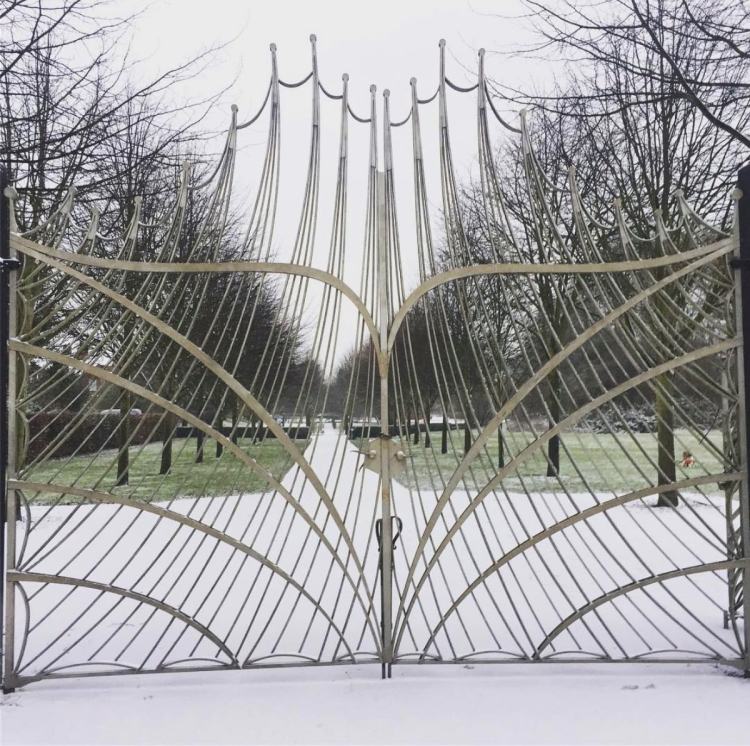
The park was extended in 1988 when Nestle (who now owned Rowntree) transferred the area to the council. The council already had ownership of the park since Rowntree gave them the dees in 1921. The football field area between Cameron Grove and Butcher Terrace was added to the park. The Butcher Terrace/Millennium gates were commissioned by York City Council and designed by Don Barker, artist and Blacksmith at Elvington. The design was chosen after a competition held by the Friends of Rowntree Park. The gates are made of stainless steel and inspired by the Millennium Bridge. Don Barker’s idea for the Butcher Terrace/Millennium gates was a curtain that drew back and opened, welcoming people into the park. The gates were funded by the council and lottery heritage fund.

The Lychgate Rowntree Park
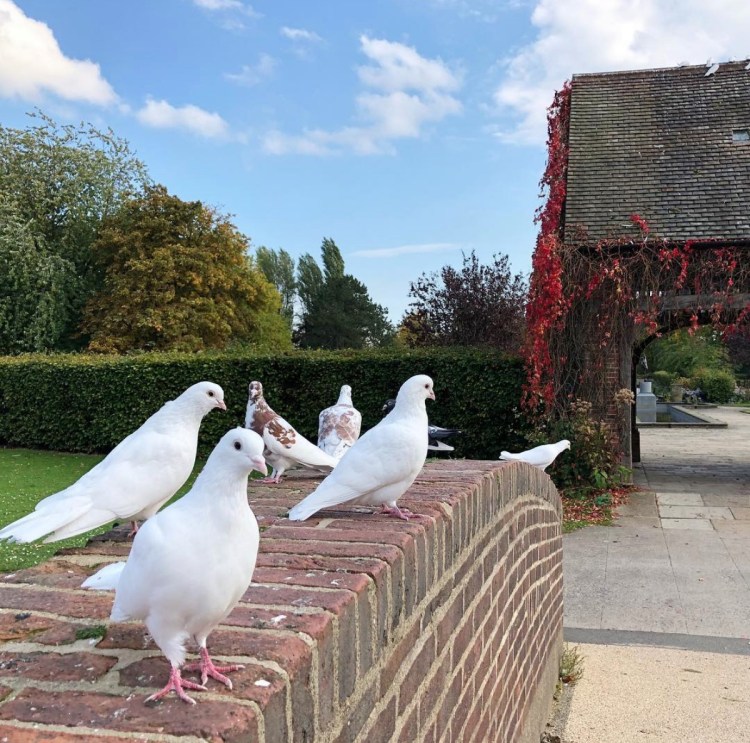
The lychgate is the small red archway at the other end of the bridge from the cafe. The dovecot is housed here. The lychgate is an arts and craft style construction – a pegged oak frame, red/orange brick and tiled roof. The style is reminiscent of Rowntree’s model village in New Earswick built for his workers. It is likely the lychgate was designed by either Frederick Rowntree or W J Swain, the architect of York Cocoa works who helped design the park.
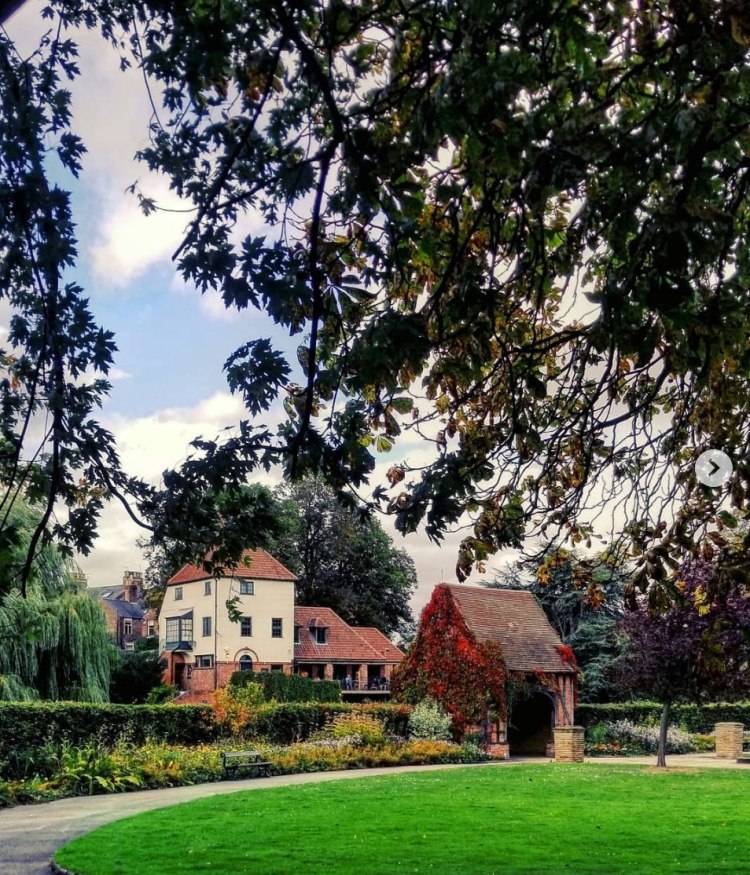
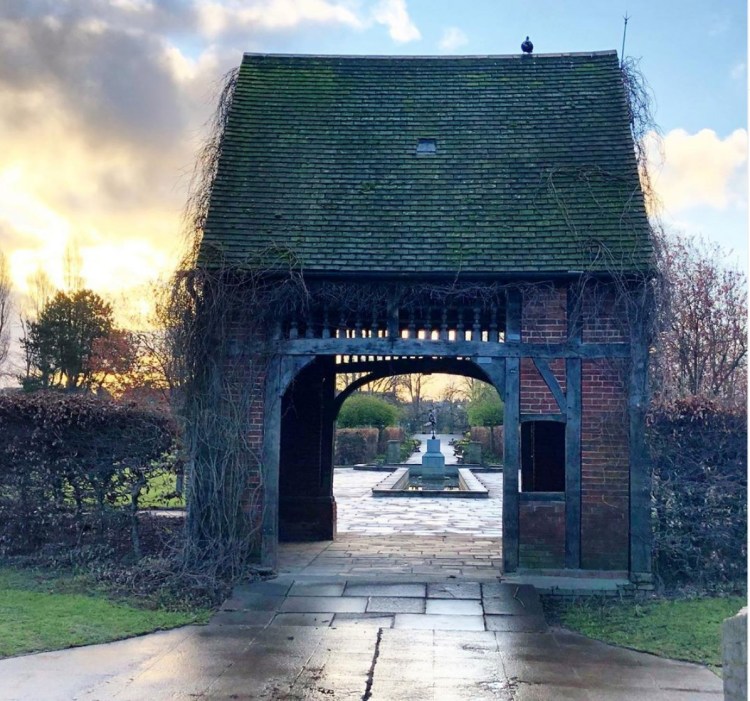
The lychgate was designed as a war memorial and hasn’t changed since the park was created in 1921. There is a memorial plaque for the workers of York cocoa works who died in WW1. A second plaque was added after WW2 at the same time the Terry Avenue Gates were gifted to the park as a memorial for the workers who lost lives between 1939-45. The lychgate is Grade II listed.
It has been said that the doves that reside in the dovecot are descendants of the original doves brought to the park in 1921. The doves have never been replaced. Numbers do vary and some work was done the other year to reduce the size of the holes and stop crows accessing eggs. However, there are always doves in the park which is fitting for its status as a memorial park.
The plaques were lovingly restored by Rook Heritage in October 2019 with thanks to York Civic Trust.

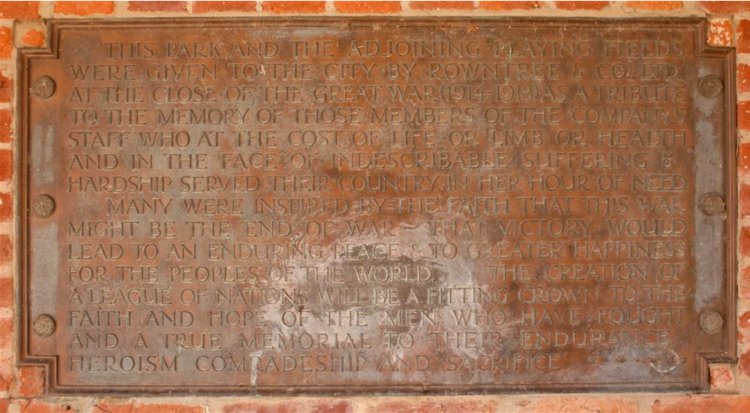


I recently visited Rowntree Park for the first time when my daughter came to live in York – it is a wonderful legacy for the people of York. I went through the Lych Gate and was moved by the wording on the plaques for the First and Second World Wars. Would it be possible for me to have a transcript of the wording – I cannot read it from the photographs on your website. kind regards Christine Brock
“This park and the adjoining playing fields were given to the city by Rowntree & Co Ltd at the close of the Great War (1914-1918) as a tribute to the memory of those members of the Company’s staff who at the cost of life or limb or health and in the face of indescribable suffering & hardship served their country in her hour of need. Many were inspired by the faith that this war might be the end of war – that victory would lead to an enduring peace & to greater happiness for the peoples of the world. The creation of a League of Nations will be a fitting crown to the faith and hope of the men who have fought and a true memorial to their endurance, heroism comradeship and sacrifice.”
“The gates at the riverside entrance to this park were given to the city of York by Rowntree & Co Ltd in memory all those from the cocoa works who lost their lives in the Second World War (1939-1945) and in thanksgiving for the courage and steadfastness of the people of York throughout those years. Except the Lord keep the city the watchman waketh but in vain.”
The last sentence being a quotation from Psalm 127:1.